 Art
Art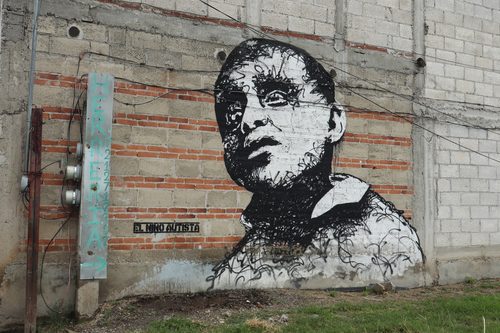
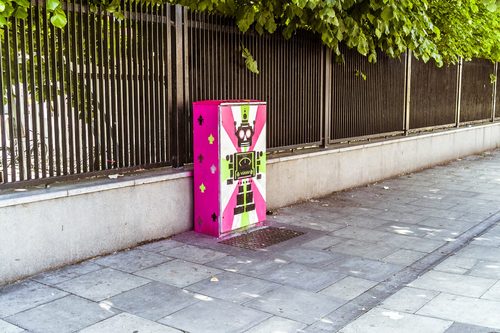
Graffiti Art is letter-based writing — tags, throw-ups, and elaborate pieces — rooted in 1970s subway culture, while Street Art is a broader, image-based movement that grew out of graffiti but expanded into stencils, wheatpaste, and murals. Graffiti Art began in Philadelphia and New York around 1970, when writers spray-painted their names across subway cars and walls, developing intricate lettering styles tied closely to hip-hop culture. Street Art emerged roughly a decade later and spread internationally, as artists moved beyond names and letters toward recognizable images, characters, and socially pointed statements meant to be legible to non-graffiti audiences. The line between them still blurs constantly — many street artists started as writers — but the core distinction holds: Graffiti Art is about the letter and the writer's identity; Street Art is about the image and its message.
Graffiti Art vs. Street Art at a glance
| Graffiti Art | Street Art | |
|---|---|---|
| Years | 1970–now | 1980–now |
| Origin | Philadelphia & New York | International |
| Core form | Stylized lettering — tags, throw-ups, and complex pieces built around the writer's name. | Recognizable images, characters, and stencils, often with little or no lettering at all. |
| Origins | Subway and wall writing in Philadelphia and New York, tied closely to hip-hop culture. | International movement building on graffiti's illegality but favoring image over name. |
| Legibility | Often deliberately hard to read for outsiders; style and flow matter more than clarity. | Designed to be instantly understood by any passerby, regardless of subculture knowledge. |
| Methods | Freehand spray paint, favoring speed, flow, and letter-based technical skill. | Stencils, wheatpaste posters, stickers, and murals alongside spray paint, favoring reproducibility and scale. |
| Attitude | Rooted in personal fame and reputation within a writer subculture — getting one's name seen. | Often carries an explicit social or political message aimed at the general public. |
| Relationship to institutions | Historically illegal and adversarial, with gallery crossover still viewed skeptically by many writers. | More readily commissioned, sanctioned, and collected, with mainstream gallery and auction crossover. |
How to tell them apart
If you see stylized lettering — a tag, a bubble-lettered throw-up, or a wall-sized piece built from a writer's name — you're looking at Graffiti Art. If you see a stenciled image, a wheatpasted poster, or a mural-sized character or message that doesn't require knowing the artist's name to understand, that's Street Art. Graffiti rewards insiders who can read the style; Street Art aims at anyone walking by. Location is a clue too: subway cars and train yards say graffiti roots, while gallery-adjacent walls and festival murals say street art.
What they share
Both movements claim public space without permission as their starting point, and both grew from the same illegal, DIY spirit of transforming city walls into a stage. Many street artists began as graffiti writers, and both traditions share techniques, materials, and a lineage running through figures like Jean-Michel Basquiat, whose SAMO street tags preceded his move into the wider art world.
Try both
Settle it yourself — generate the same subject in each style and compare the results.
Frequently asked questions
Is street art the same as graffiti?
Not quite. Graffiti is letter-based writing rooted in tags and names, while street art is a broader, image-based movement using stencils, wheatpaste, and murals that grew out of graffiti culture.
Which came first, graffiti or street art?
Graffiti, which began around 1970 in Philadelphia and New York. Street art developed roughly a decade later and spread internationally through the 1980s and beyond.
Can someone be both a graffiti writer and a street artist?
Yes. Many artists move fluidly between the two, tagging under a writer name while also producing stencils, posters, or murals aimed at a wider public audience.