 Art
ArtAll art movements.
Every movement on the site, grouped by era and ordered by when it began.
Renaissance
6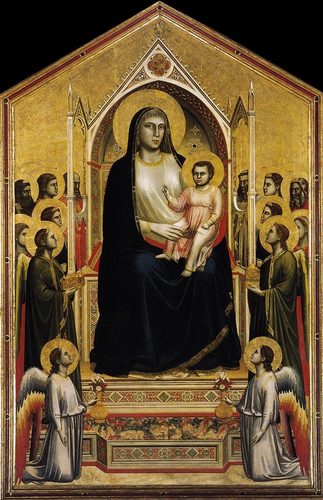
1290–1400
Proto-Renaissance
Where Byzantine gold gave way to human weight
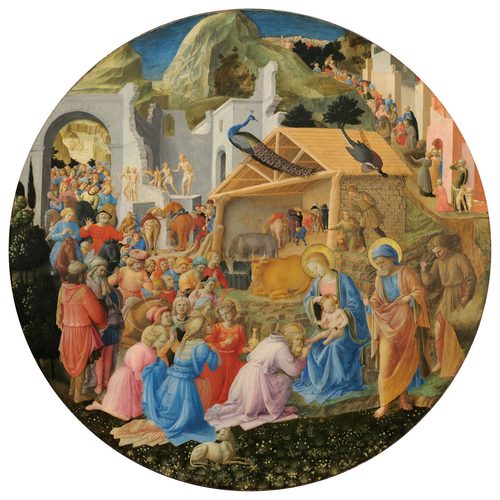
1400–1490
Early Renaissance
Perspective, proportion, and the rebirth of antiquity
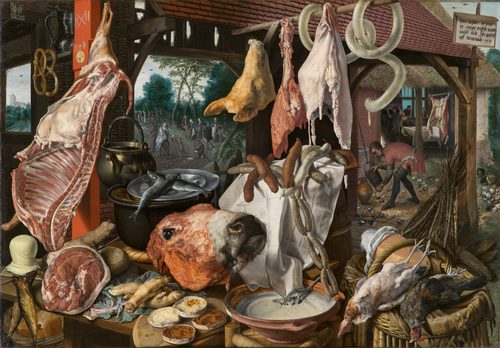
1430–1580
Northern Renaissance
Obsessive detail and hidden meaning in oil and light
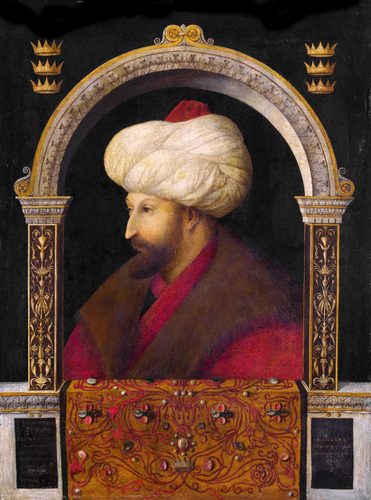
1450–1600
Venetian School
Color and light triumph over Florentine line
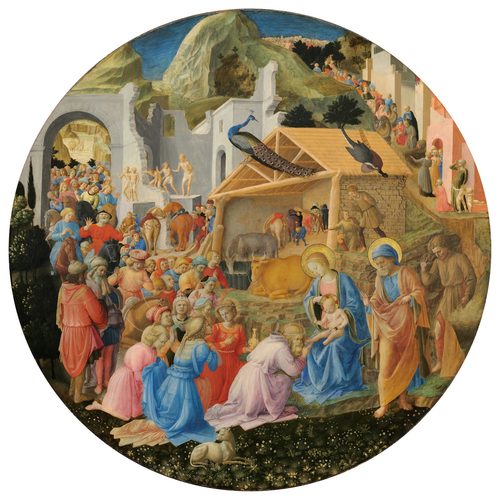
1490–1527
High Renaissance
A brief, perfect balance of harmony and grandeur
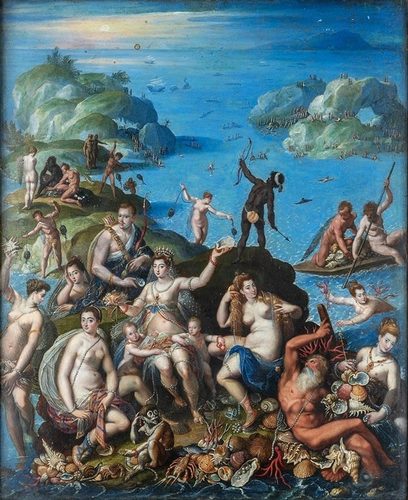
1520–1600
Mannerism
Elegant distortion after the Renaissance's perfect balance
Baroque & Rococo
3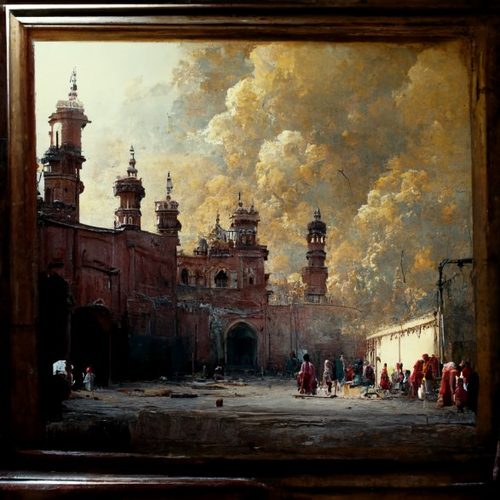
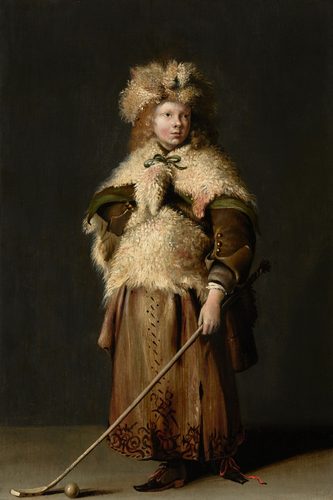
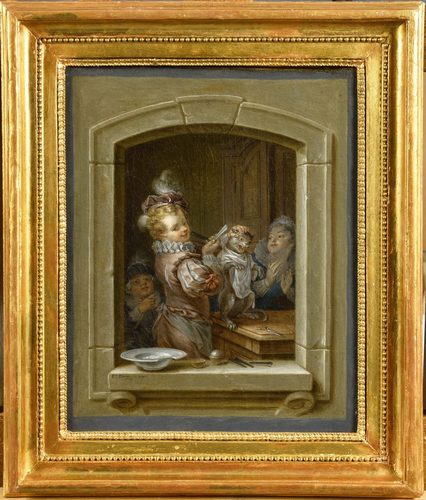
The Long 19th Century
29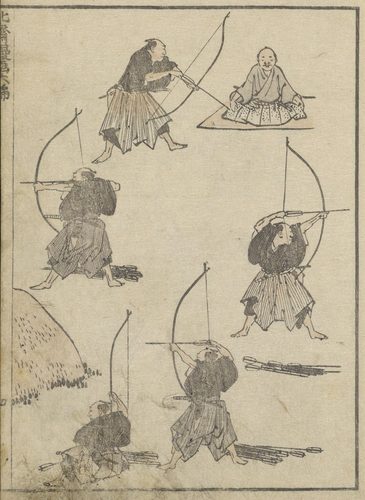
1600–1900
Ukiyo-e
Woodblock visions of Edo's fleeting floating world
1760–1830
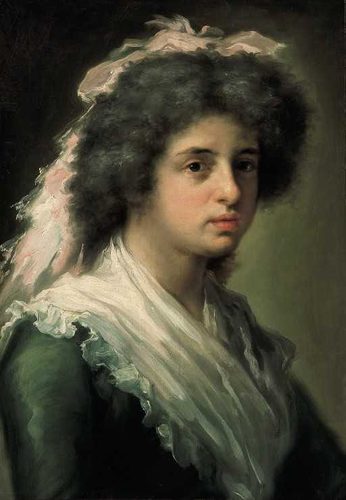
Neoclassicism
Cool restraint, civic virtue, and ancient Rome revived
1800–1850
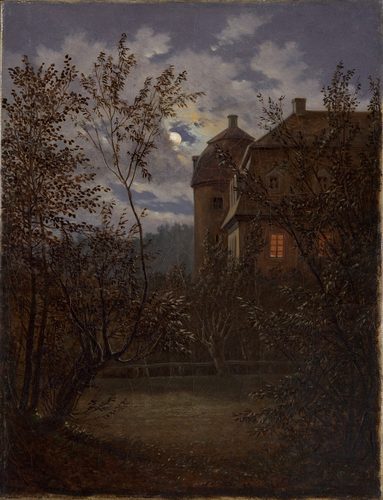
Romanticism
Emotion, nature, and the sublime over cool reason
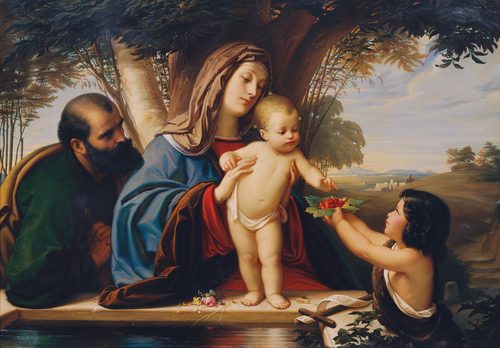
1809–1850
Nazarene Movement
German painter-monks reviving medieval Christian sincerity in Rome
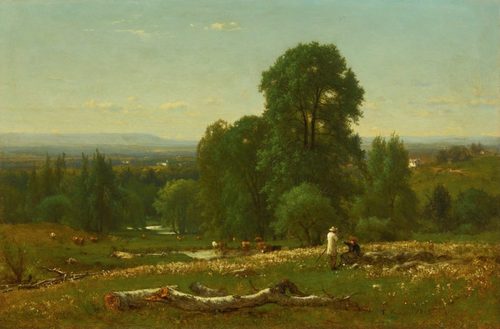
1825–1875
Hudson River School
America's wilderness painted as sacred, sunlit destiny
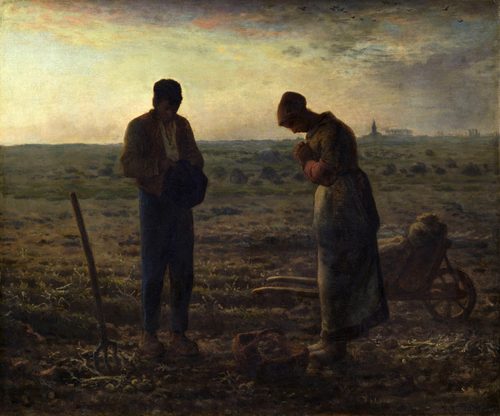
1830–1870
Barbizon School
Painters who took their easels into the actual forest
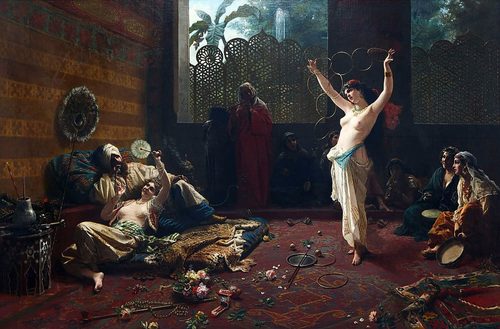
1830–1900
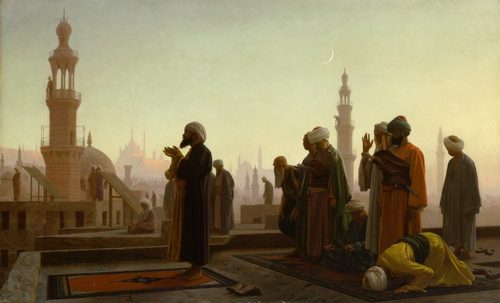
Orientalism
Europe's exotic, dream-lit vision of the Islamic East
1840–1900
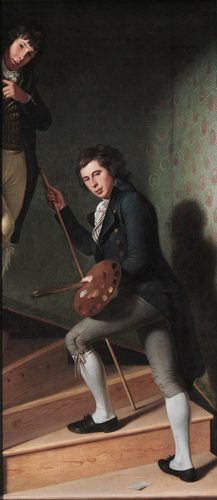
Academic Art
The official taste of the 19th-century Salon system
1840–1880
Realism
Ordinary life painted without flattery or myth
1848–1890
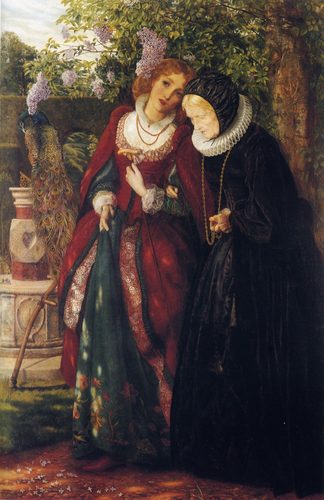
Pre-Raphaelite Brotherhood
English painters longing for art before Raphael's polish
1850–1875
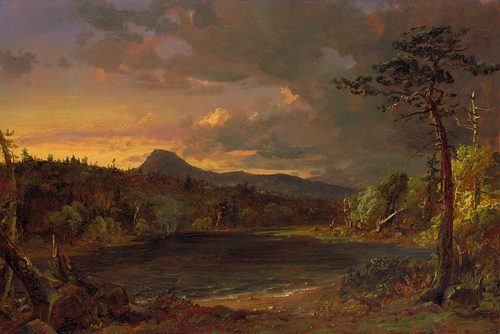
Luminism
Hushed light and glassy stillness on the American coast
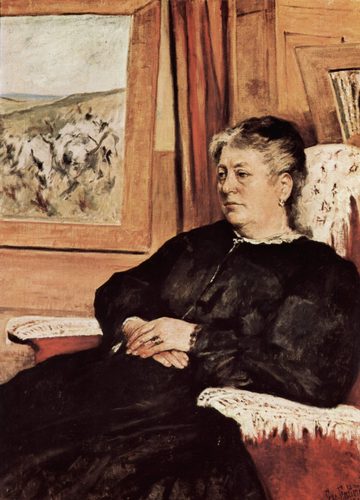
1855–1880
Macchiaioli
Italian painters who built pictures from patches of light
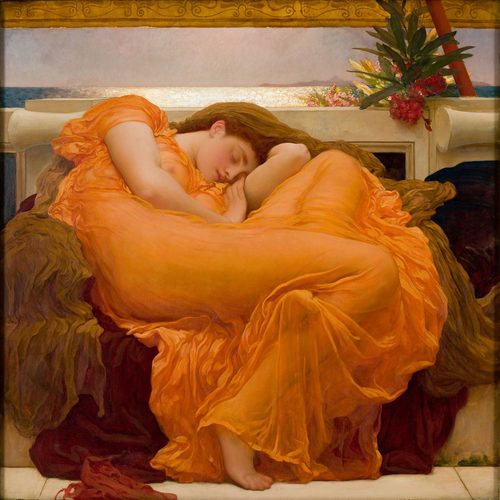
1860–1900
Aesthetic Movement
Beauty pursued for its own sake, no moral required
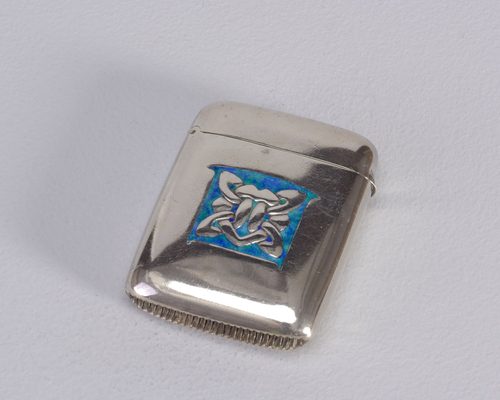
1860–1910
Arts and Crafts Movement
Handmade beauty raised against the machine
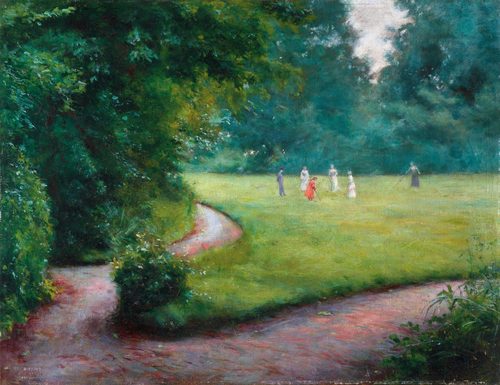
1860–1890
Impressionism
Light, broken into a thousand strokes
1860–1900
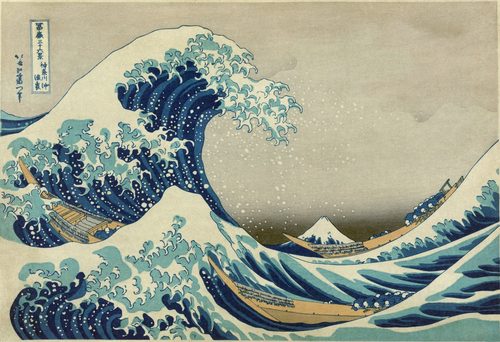
Japonisme
Europe's infatuation with Japanese design and image
1870–1900
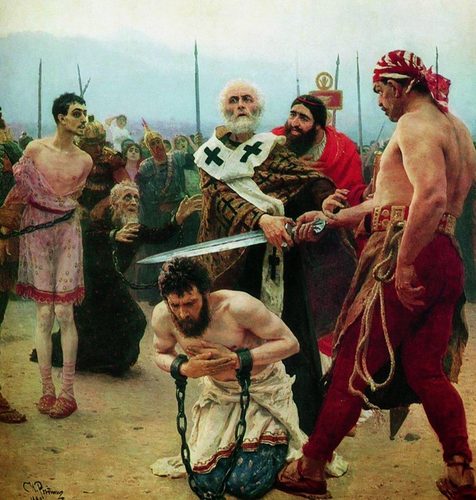
Peredvizhniki
Russian realists who carried art to the people
1870–1915
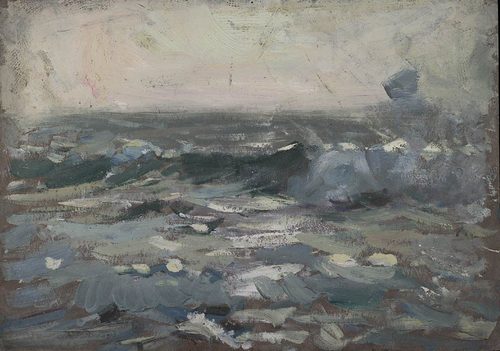
Tonalism
Twilight, dissolved into a single hue
1880–1920
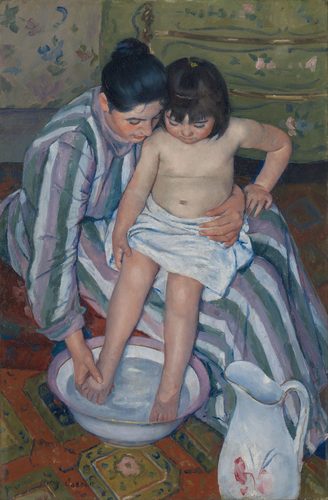
American Impressionism
French light, painted on American ground
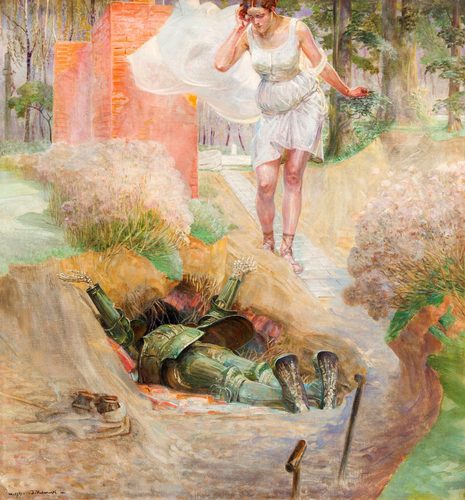
1880–1910
Symbolism
Dreams, myth, and mood over observed reality
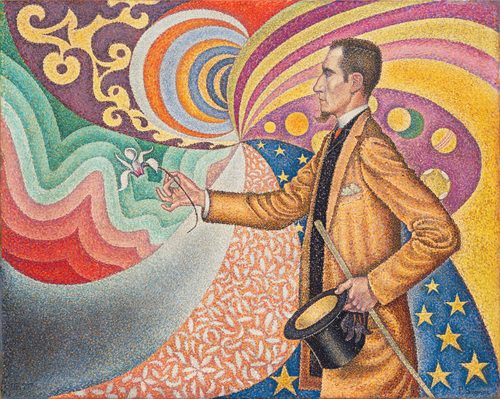
1884–1905
Neo-Impressionism
Color built from thousands of tiny dots
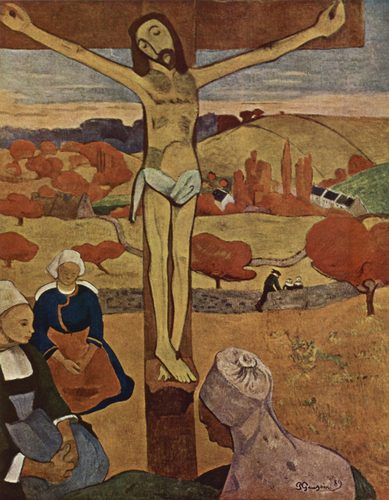
1885–1895
Cloisonnism
Bold outlines caging flat pools of color
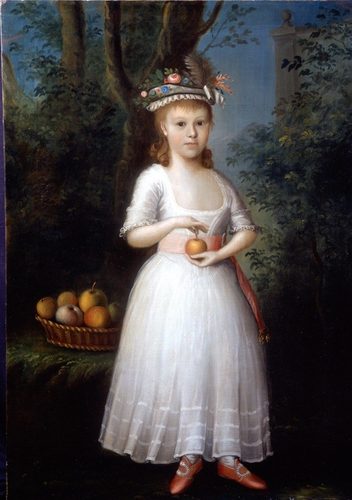
1885–1960
Naïve Art
Self-taught vision rendered with wonder and precision
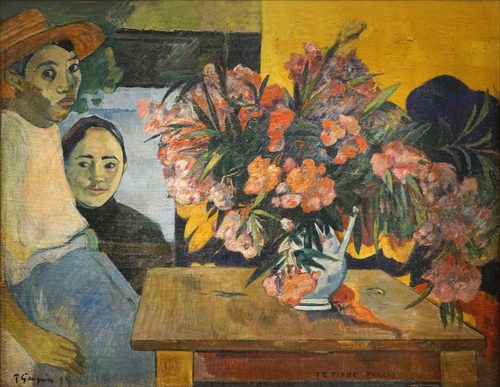
1885–1910
Post-Impressionism
Color and brushwork pushed past fleeting appearances
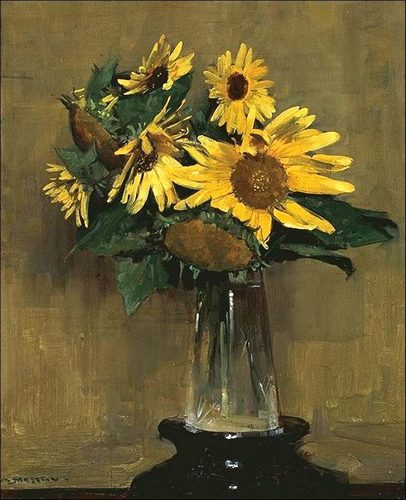
1886–1900
Heidelberg School
Sunburnt light on the Australian bush
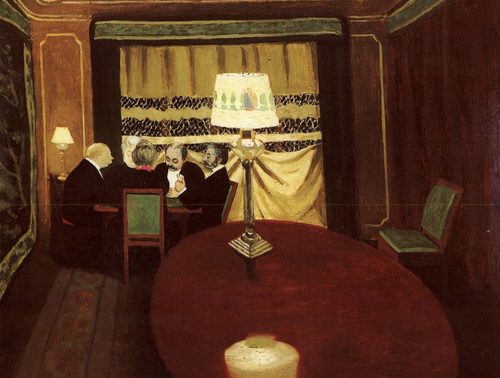
1888–1900
Les Nabis
Prophets of flat pattern and intimate scenes
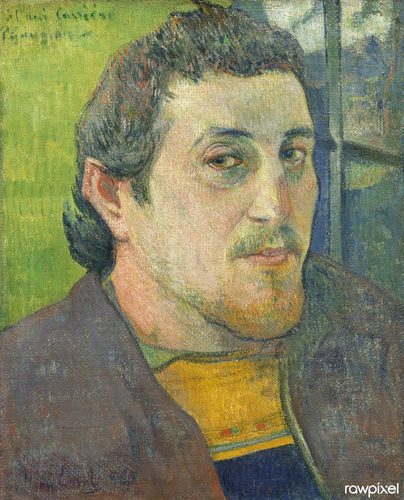
1888–1900
Synthetism
Memory and emotion synthesized into painted form
1890–1910
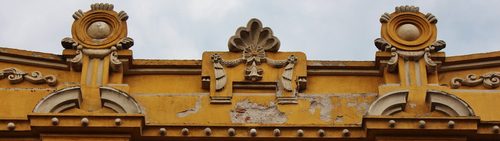
Art Nouveau
Nature's curling lines transformed into total design
1897–1920
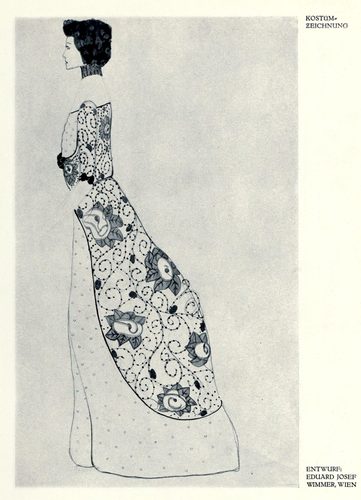
Vienna Secession
Vienna's rebel artists forge a golden new style
Early Modernism
30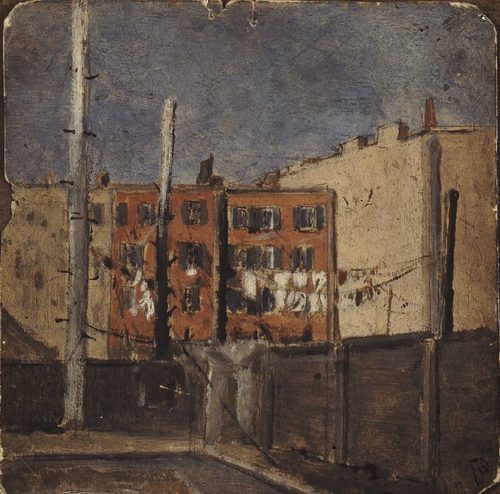
1900–1915
Ashcan School
New York's grit and gaslight, painted unflinchingly
1904–1910
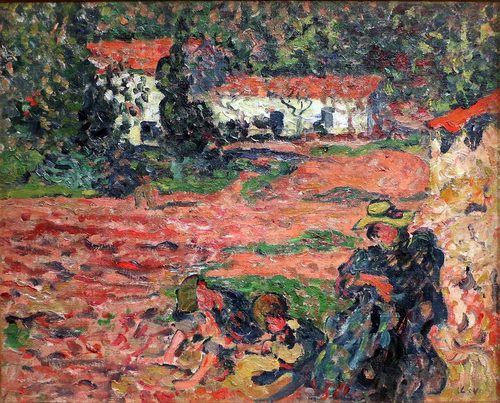
Fauvism
Wild, unmixed color unleashed from nature's true hues
1905–1913
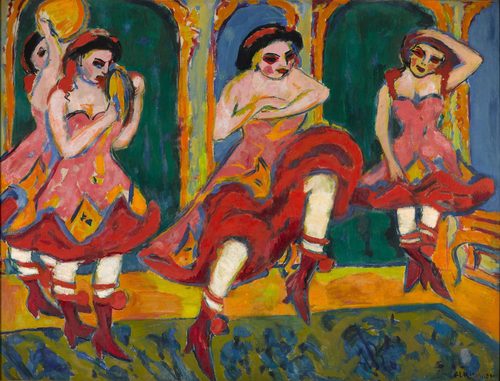
Die Brücke
Young Dresden radicals bridge craft and raw feeling
1905–1930
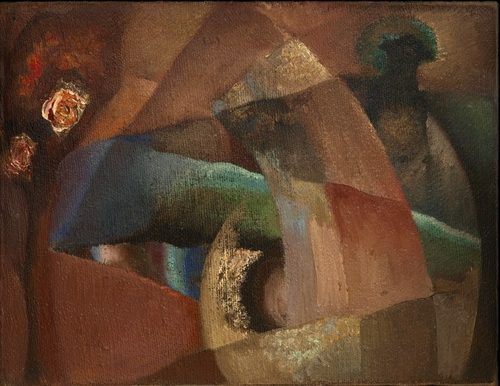
Expressionism
Raw inner feeling distorting color, line, and form
1907–1925
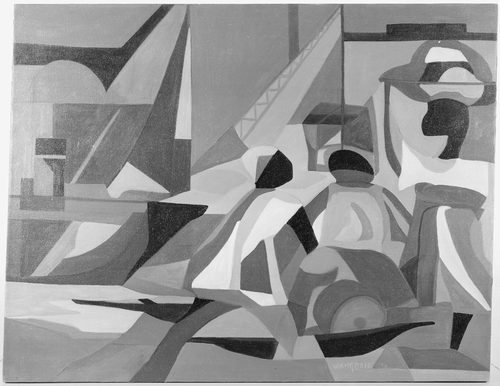
Cubism
Shattering single-point perspective into faceted planes
1909–1930
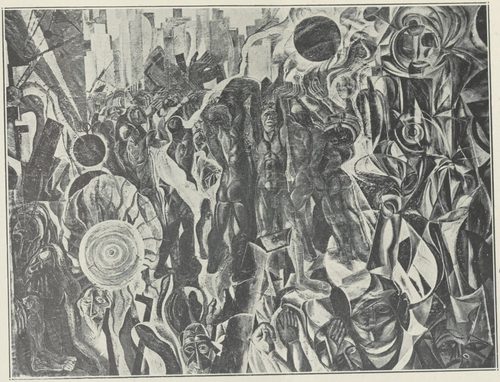
Futurism
Speed, machines, and violence rendered in motion
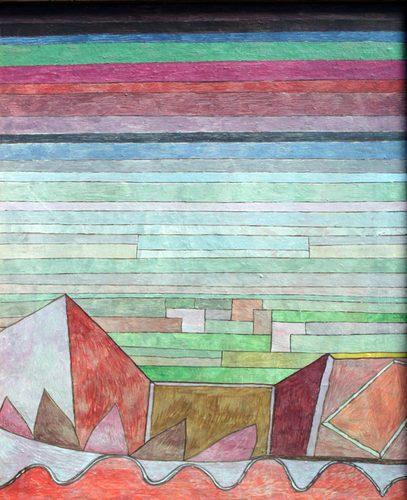
1911–1914
Der Blaue Reiter
Animals, color, and the spiritual pull of abstraction
 AI
AI1911–1920
Metaphysical Painting
Empty piazzas haunted by impossible shadows
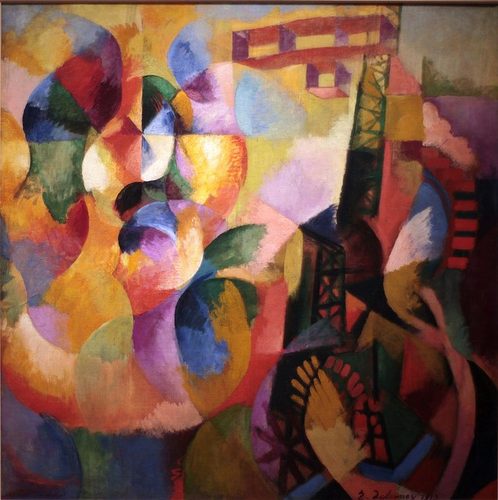
1912–1920
Orphism
Pure color spun into rhythmic, abstract circles
![Cats (rayist percep.[tion] in rose, black, and yellow) — Rayonism](https://media.artmovements.com/encyclopedia/rayonism/commons-0-thumb.jpg)
1912–1920
Rayonism
Reality dissolved into intersecting beams of light
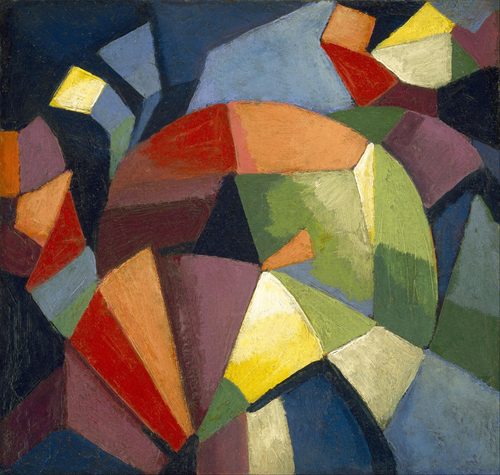
1912–1925
Synchromism
Color harmonies orchestrated like musical chords
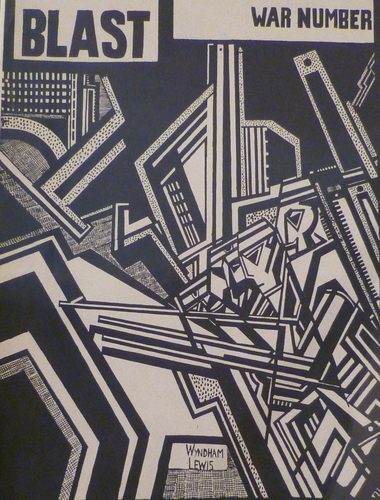
1914–1918
Vorticism
London's machine-age answer to Cubism and Futurism
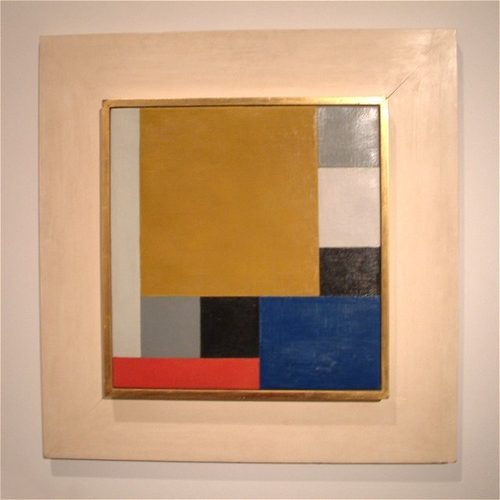
1915–1930
Constructivism
Art rebuilt as engineering for a new society
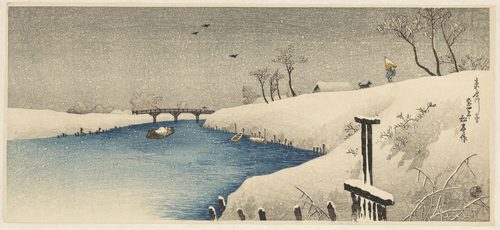
1915–1942
Shin-hanga
Ukiyo-e's afterglow, painted with Western light
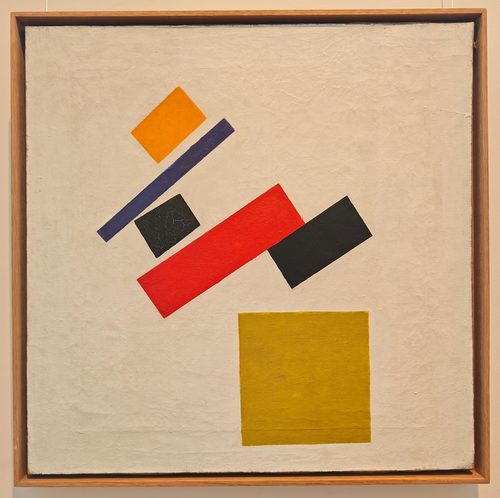
1915–1925
Suprematism
Pure feeling reduced to floating geometric forms
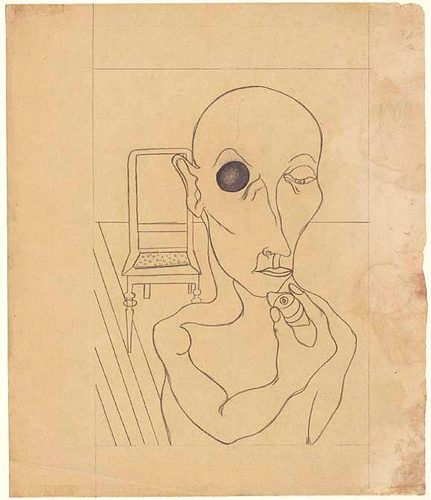
1916–1924
Dada
Deliberate nonsense as protest against a mad world
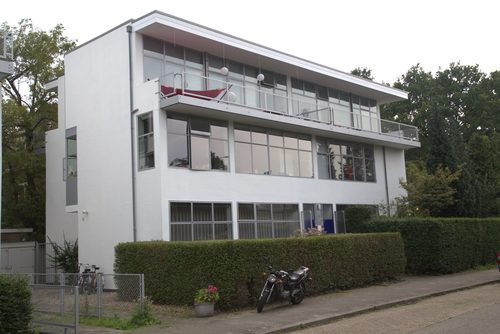
1917–1931
De Stijl
Grids of primary color seeking universal harmony
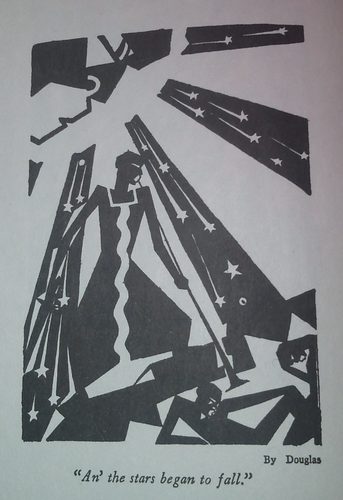
1918–1937
Harlem Renaissance
Black creative genius claims the modern spotlight
 AI
AI1918–1926
Purism
Machine-age clarity distilled from Cubist clutter
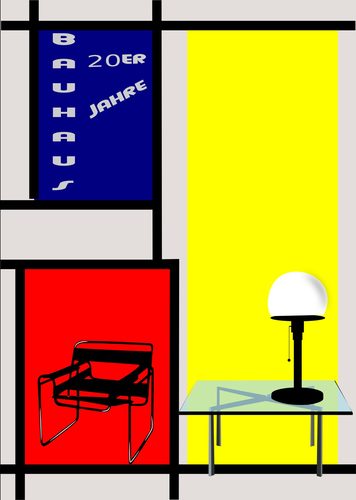
1919–1933
Bauhaus
Where art, craft, and industry became one
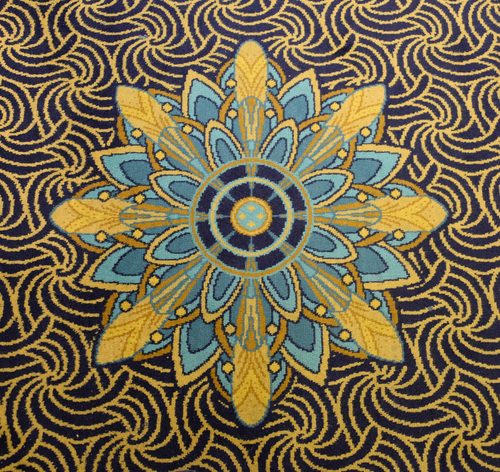
1920–1939
Art Deco
Sleek geometry dressed in luxury and speed
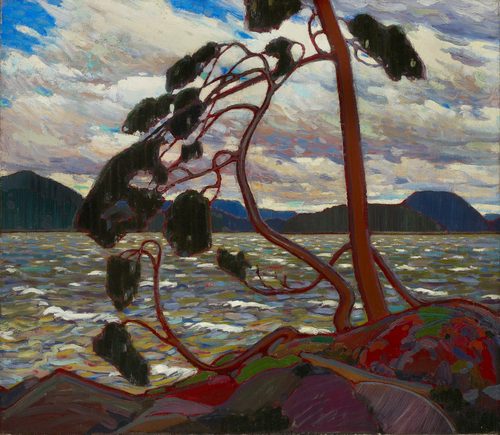
1920–1933
Group of Seven
Canada's wilderness, painted bold and unpeopled
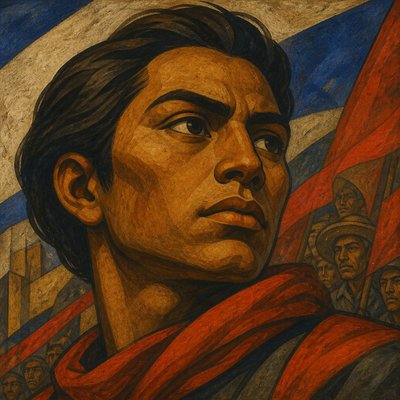 AI
AI1920–1950
Mexican Muralism
Revolution and history painted large for the public
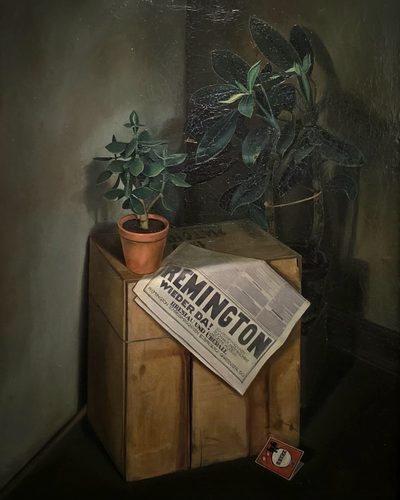
1920–1933
New Objectivity
A cold, unsparing mirror held to Weimar Germany
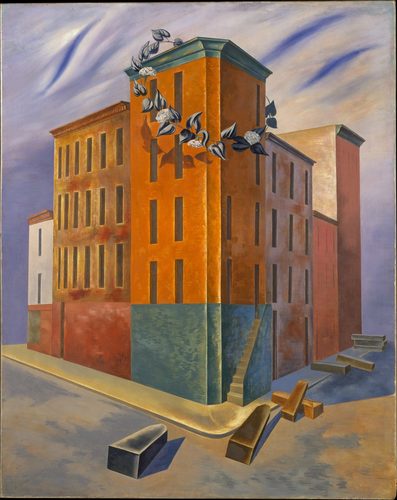
1920–1940
Precisionism
American industry rendered as crisp, clean geometry
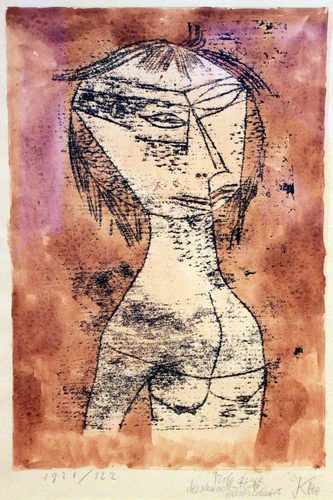
1924–1966
Surrealism
Dreams, desire, and the unconscious made visible
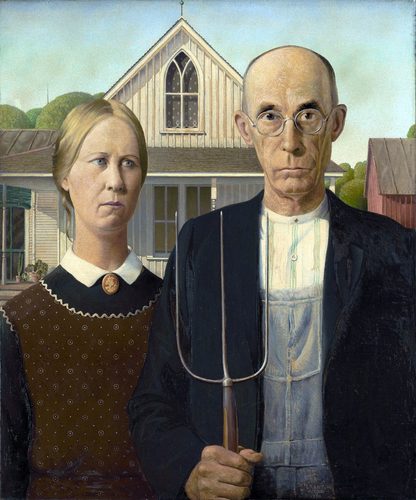
1925–1945
American Regionalism
The rural Midwest painted with pride and plainness
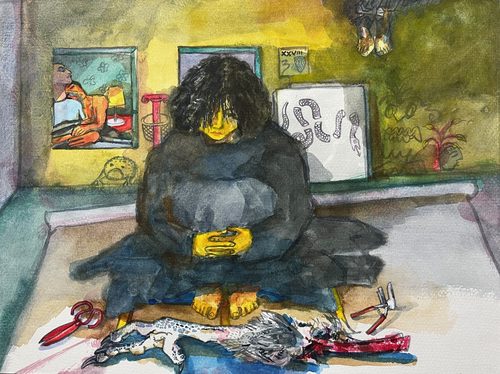
1925–1960
Magic Realism
The uncanny hidden inside photographic precision
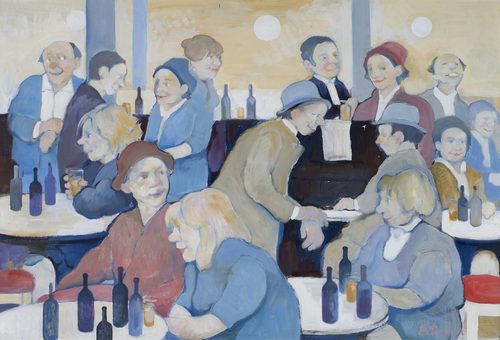
1929–1950
Social Realism
Art bearing witness to poverty and injustice
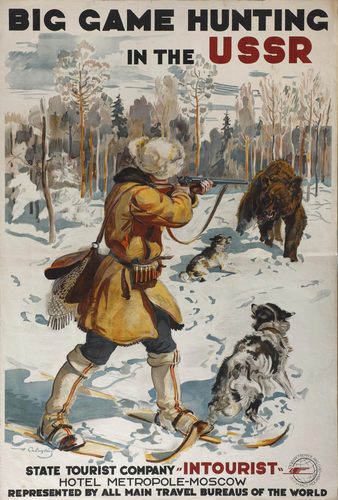
1932–1980
Socialist Realism
Heroic labor glorified as official state doctrine
Postwar
22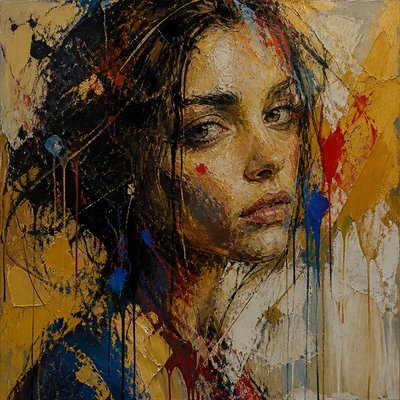 AI
AI1943–1965
Abstract Expressionism
Raw emotion, unleashed across the whole canvas
AI1945–1960
Action Painting
The canvas as an arena for the body
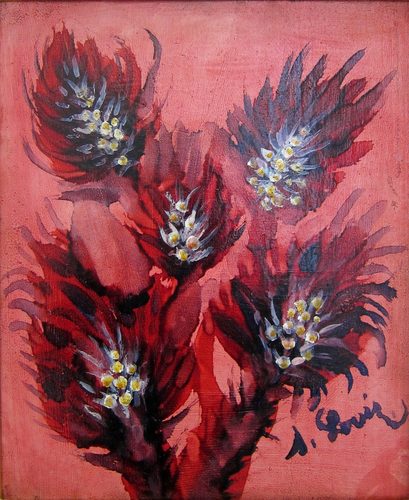
1945–1975
Art Brut
Raw art made outside every rule of taste
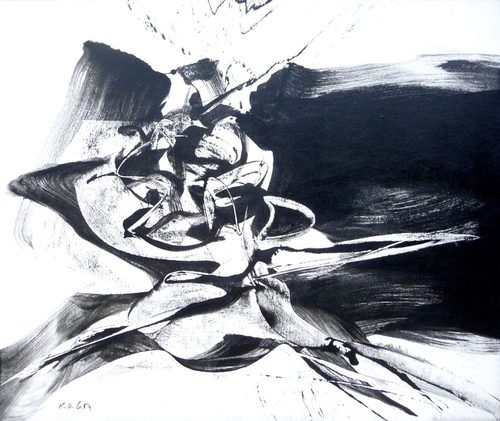
1945–1960
Tachisme
Spontaneous stains and gestures of raw instinct
 AI
AI1947–1970
Color Field Painting
Vast, glowing color meant to be entered
 AI
AI1948–1951
CoBrA
Untamed color and folk myth rising from ruins
 AI
AI1952–1965
Neo-Dada
Found objects meet paint in irreverent collage
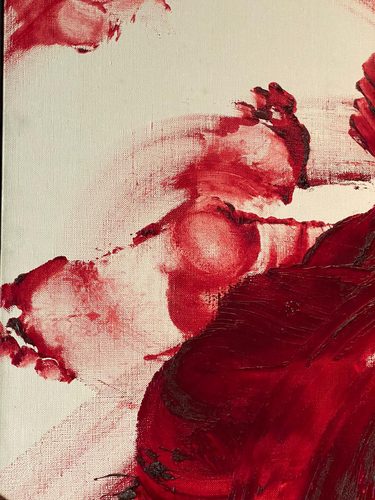
1954–1972
Gutai
Painting reinvented as raw physical action
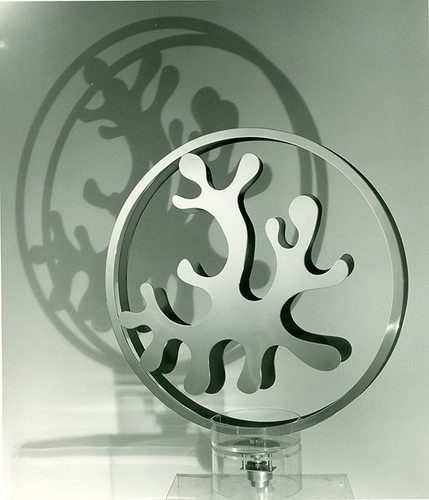
1955–1975
Kinetic Art
Sculpture set loose to move and shift
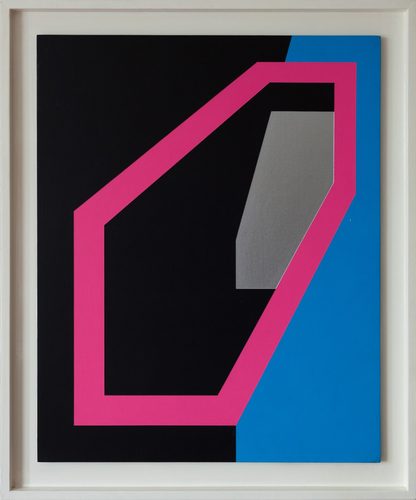
1955–1975
Pop Art
Advertising's bright surface turned into fine art
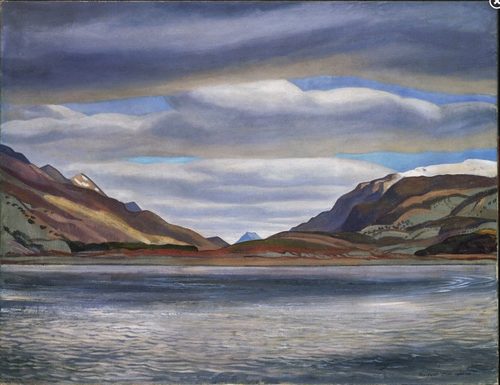
1959–1970
Hard-Edge Painting
Flat color blocks cut by razor-sharp painted edges
 AI
AI1960–1975
Minimalism
Industrial forms stripped to pure geometry and material
 AI
AI1960–1970
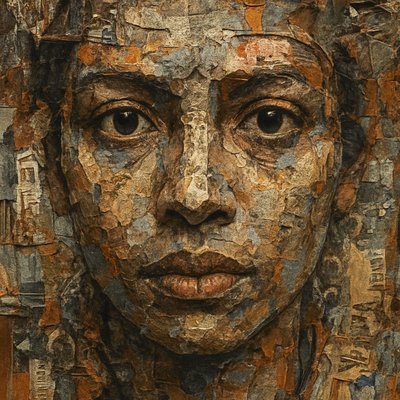
Nouveau Réalisme
Real objects, torn posters, and industrial debris as art
1960–1970
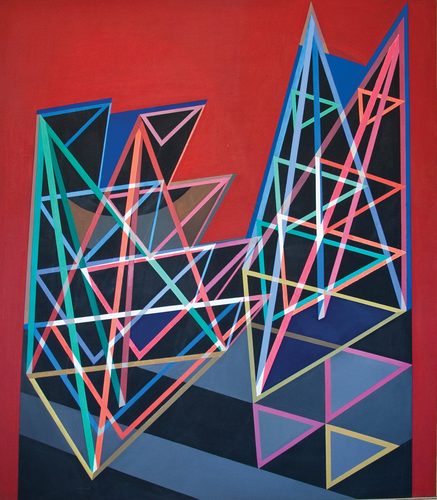
Op Art
Geometric patterns that trick the eye into motion
1960–now
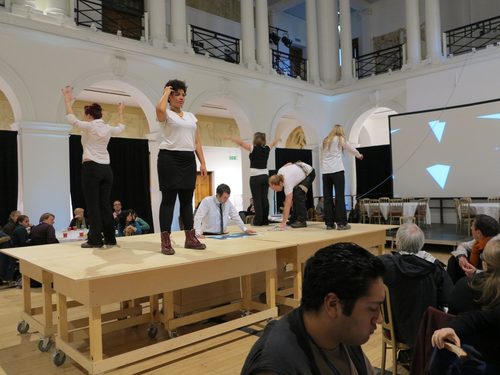
Performance Art
The artist's own body as the artwork
1961–1978
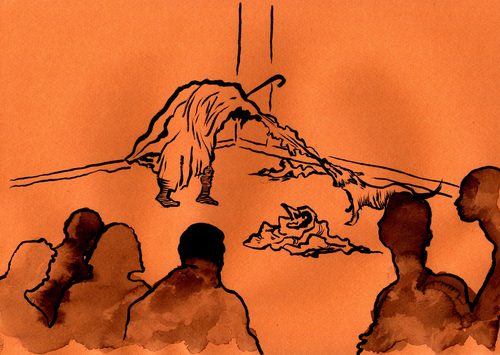
Fluxus
Everyday actions scored, boxed, and mailed as art
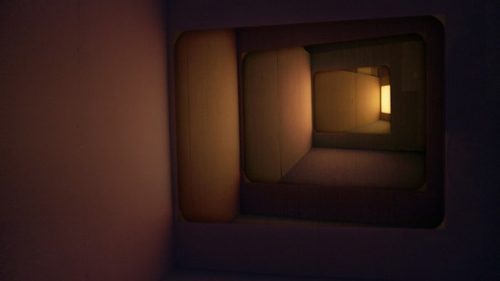
1963–now
Video Art
Television turned into a medium for art
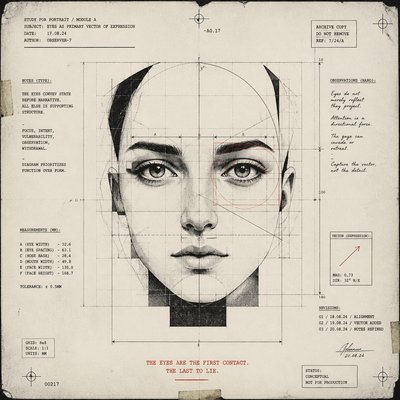 AI
AI1965–1980
Conceptual Art
The idea itself becomes the artwork's true material
AI1966–1980
Post-Minimalism
Soft materials, chance, and process replace industrial rigor
 AI
AI1967–1980
Arte Povera
Humble materials turned into radical sculpture
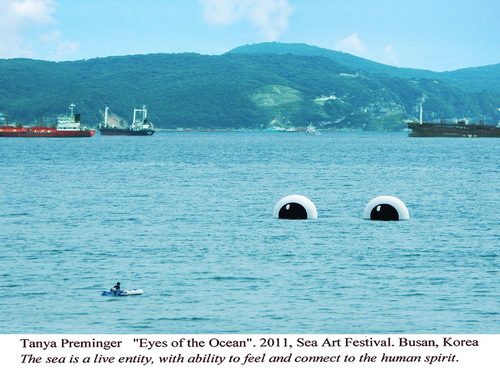
1967–1980
Land Art
Sculpture carved directly into the earth
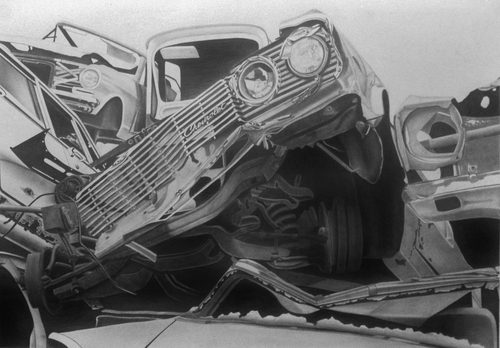
1968–1985
Photorealism
Paintings so precise they mimic the camera
Contemporary
17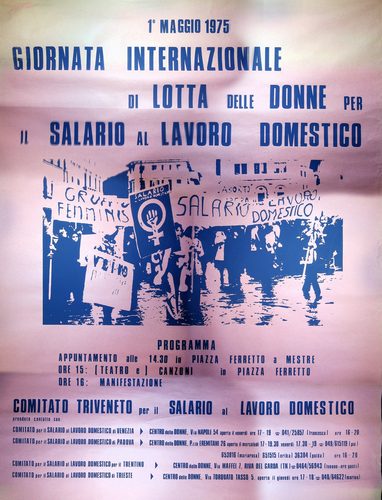
1965–1985
Feminist Art Movement
Women artists reclaiming the body, craft, and voice
1970–now
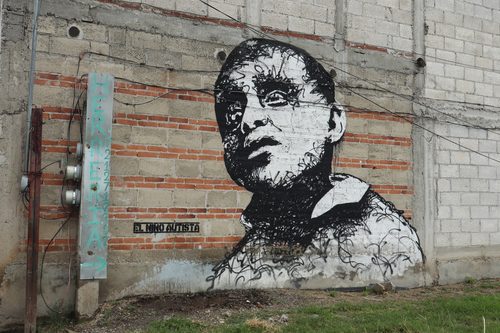
Graffiti Art
Names and letters claiming the city in spray paint
 AI
AI1975–1985
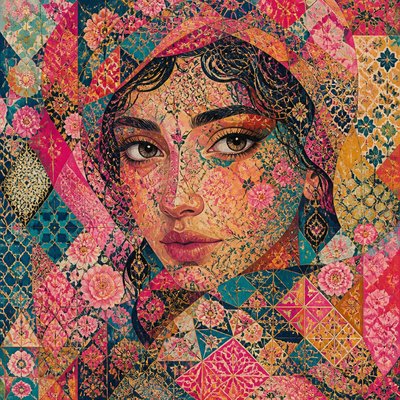
Pattern and Decoration
Ornament restored to fine art, unapologetically
1978–1990
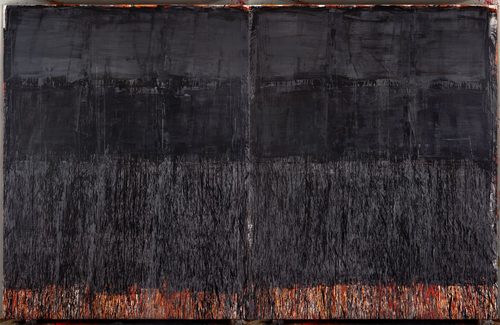
Neo-Expressionism
Raw, monumental painting returns to feeling
 AI
AI1979–now
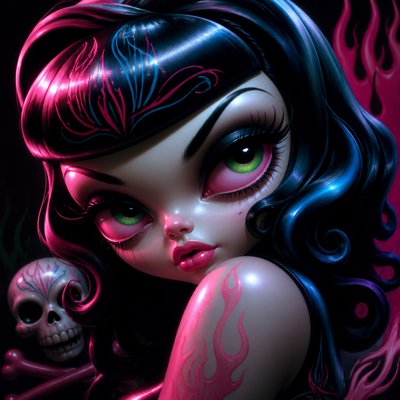
Lowbrow & Pop Surrealism
Underground comix craft meets surreal pop imagery
 AI
AI1979–1990
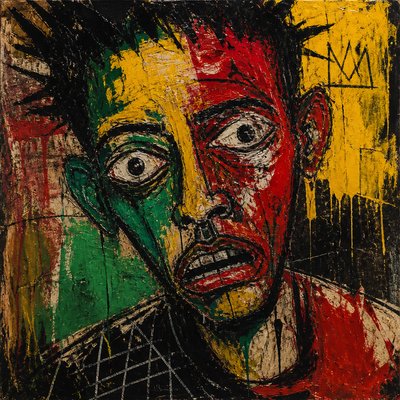
Transavanguardia
Italy's exuberant, myth-soaked return to painting
1980–1990
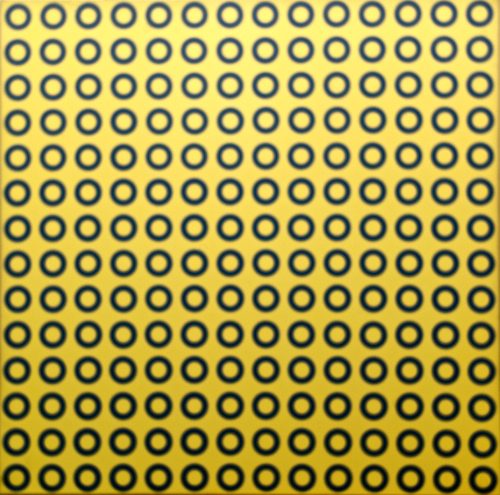
Neo-Geo
Cool geometry recast as consumer-culture critique
1980–now
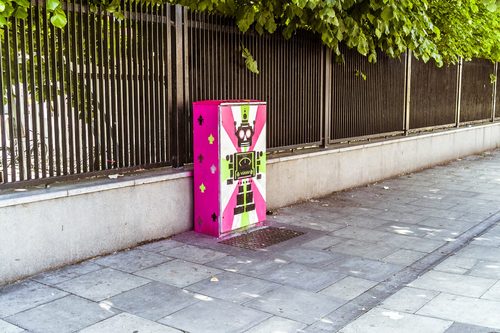
Street Art
Public walls turned into a global open gallery
1988–2000
Young British Artists
Shock tactics reinvent 1990s British contemporary art
 AI
AI1990–now
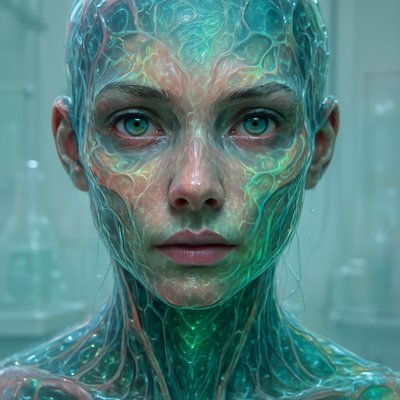
Bio Art
Living tissue, genes, and organisms as art
1990–now
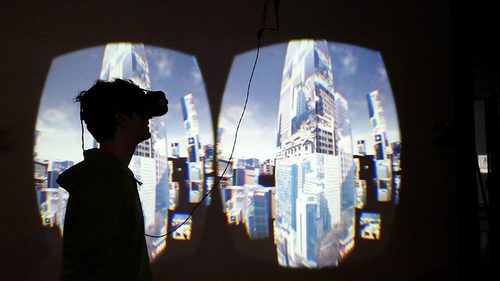
New Media Art
Art built from screens, circuits, and code
 AI
AI1995–2010
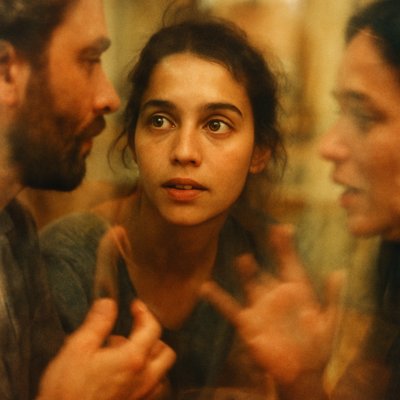
Relational Aesthetics
Art staged as encounter, meal, and conversation
 AI
AI1995–now
Superflat
Anime-flat surfaces collapsing high and low art
1999–now
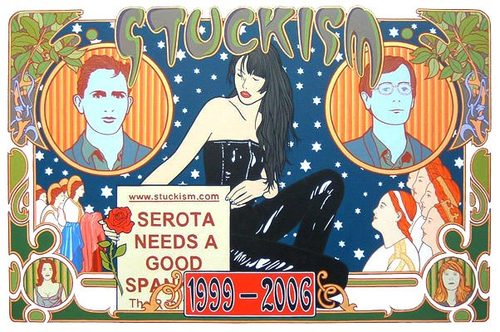
Stuckism
Figurative painters revolting against conceptual art's grip
 AI
AI2008–now
Post-Internet Art
Art made with the internet as a given condition
2015–now
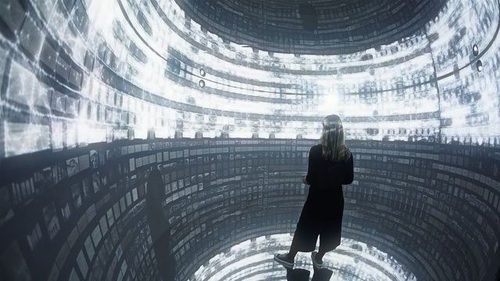
AI Art
Images generated through trained artificial neural networks
2017–now
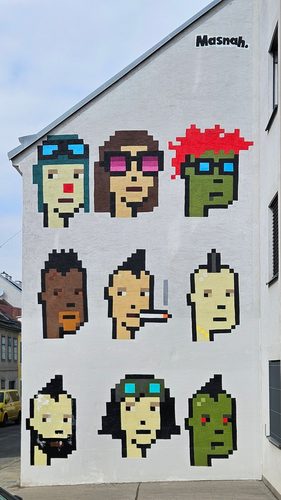
Crypto Art
Digital art authenticated and sold on the blockchain