 Art
Art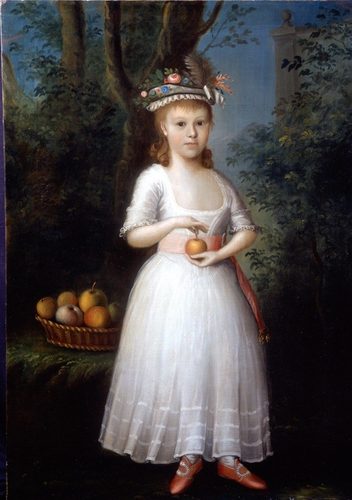
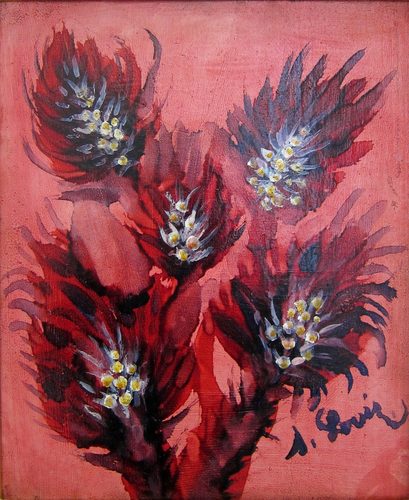
Naïve Art describes self-taught painters who work in a deliberately simple, flattened style while still seeking an audience, whereas Art Brut describes raw, private work made by outsiders with no interest in the art world at all. Naïve Art took shape in France in the 1880s around Henri Rousseau, a self-taught customs officer whose dreamlike jungle scenes were embraced by the Parisian avant-garde despite his lack of formal training. Art Brut, meaning raw art, was named by painter Jean Dubuffet in 1945 to describe work by psychiatric patients, prisoners, mediums, and recluses — people making images compulsively, often in isolation, with little awareness of art history or exhibition culture. The confusion is understandable: both prize untrained, unschooled vision over academic technique. But Naïve Art wants to be seen; Art Brut is often made for no one.
Naïve Art vs. Art Brut at a glance
| Naïve Art | Art Brut | |
|---|---|---|
| Years | 1885–1960 | 1945–1975 |
| Origin | France | France |
| Intent | Made for an audience — Naïve artists often exhibited alongside professional painters and sought recognition. | Made with no audience in mind; creators were often unaware galleries or critics existed. |
| Makers | Self-taught hobbyists, tradespeople, or amateurs working outside formal art schools by choice or circumstance. | Psychiatric patients, prisoners, mediums, and reclusive individuals, often living in extreme isolation. |
| Style | Flattened perspective, bright saturated color, and meticulous, decorative detail applied with careful patience. | Obsessive, repetitive, or diagrammatic imagery, sometimes covering every inch of a surface with private symbols. |
| Subject matter | Everyday scenes, landscapes, and imagined worlds rendered with sincerity and visible enjoyment. | Deeply personal, often unrepeatable visions — inner worlds or systems only the maker understood. |
| Art-world status | Embraced and collected by avant-garde artists, dealers, and collectors, often only late in life. | Excluded from and indifferent to museums and galleries until later rediscovery and championing. |
| Mood | Warm, whimsical, and often joyful, even when technically unpolished. | Intense, urgent, and sometimes unsettling, driven by compulsion rather than pleasure. |
How to tell them apart
If the painting has flattened, storybook charm — bright jungle foliage, tidy village scenes, careful outlines — and looks like it wanted to be hung in a salon, you're looking at Naïve Art. If the work feels compulsive or diagrammatic, covering a surface edge-to-edge with repeated marks, invented symbols, or private mythologies, and seems indifferent to whether anyone ever sees it, that's Art Brut. Naïve Art usually depicts a recognizable world, however simplified; Art Brut often depicts an entirely private one. Provenance is a clue too: Art Brut frequently comes from psychiatric institutions or total isolation.
What they share
Both movements value work made outside academic training and formal art education, and both were championed by the mainstream art world precisely because they offered something professional painters couldn't fake: unguarded, unschooled vision. Dubuffet himself drew a sharp line between the two, excluding Naïve painters from Art Brut and arguing raw art had to be made in total isolation from culture.
Try both
Settle it yourself — generate the same subject in each style and compare the results.
Frequently asked questions
Is Art Brut the same as Naive Art?
No. Naïve Art is made by self-taught artists who still seek an audience, while Art Brut is made by isolated outsiders — often institutionalized — with no interest in the art world at all.
Which came first, Naive Art or Art Brut?
Naïve Art, associated with Henri Rousseau from the 1880s. Art Brut was named decades later, in 1945, when Jean Dubuffet coined the term for outsider work.
Who coined the term Art Brut?
French painter Jean Dubuffet, who used it to describe raw, unschooled work by psychiatric patients and other outsiders untouched by mainstream art culture.