 Art
Art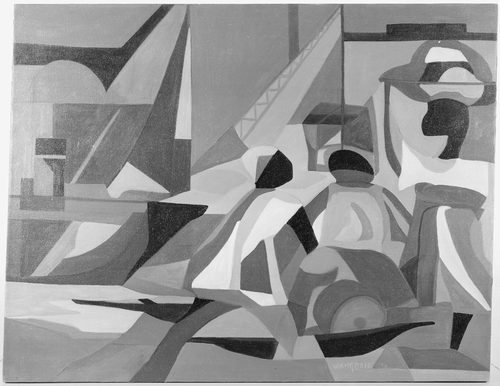
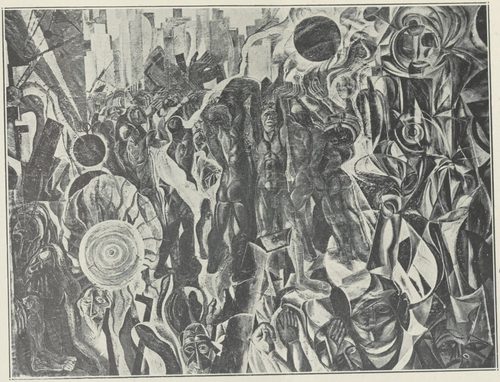
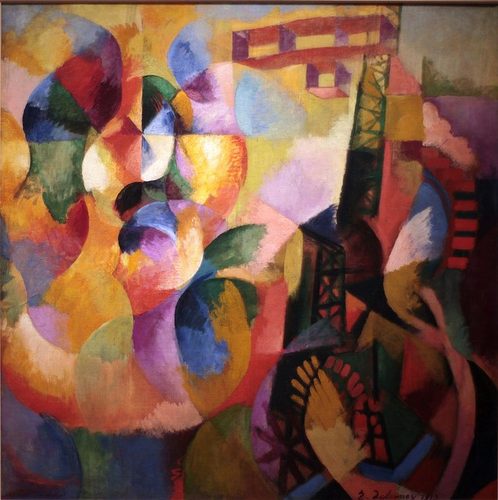
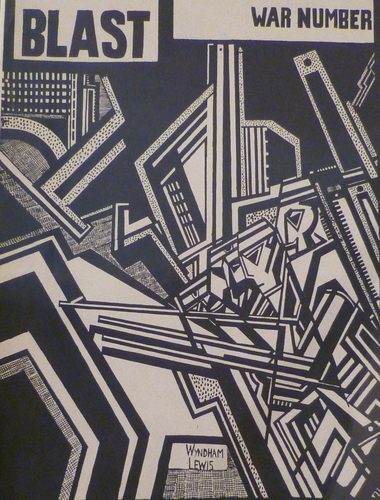
Cubism broke objects into flat, geometric facets to show multiple viewpoints of a still, static subject at once, while Futurism borrowed that fractured technique to do the opposite: capture speed, noise, and machine-age motion. Cubism began in Paris around 1907, pioneered by Pablo Picasso and Georges Braque, who dismantled traditional single-point perspective to show a guitar, a bottle, or a face from several angles simultaneously, usually in muted, almost monochrome color. Futurism launched two years later in Milan, when poet Filippo Tommaso Marinetti published a manifesto glorifying speed, technology, and even violence as a break from Italy's museum-heavy past. Futurist painters adopted Cubism's fractured planes but set them in motion, overlapping repeated forms to suggest a running dog, a speeding car, or a bustling city street. Where Cubism's subjects usually sat still, Futurism's subjects were defined by movement itself, and the two movements traded ideas in Paris before their aims diverged.
Cubism vs. Futurism at a glance
| Cubism | Futurism | |
|---|---|---|
| Years | 1907–1925 | 1909–1930 |
| Origin | Paris, France | Milan, Italy |
| Core aim | Show a static object from multiple viewpoints at once, breaking single-point perspective. | Depict speed, motion, and machine-age dynamism, often through repeated or overlapping forms. |
| Color | Muted, near-monochrome palettes of browns, grays, and ochres. | Often bolder color, though many Futurist works also used fractured, Cubist-influenced tones. |
| Subject matter | Still lifes, portraits, and musical instruments viewed from several angles. | Cars, trains, crowds, and urban motion celebrating technology and speed. |
| Attitude | Analytical and formal, treating perspective itself as the problem to solve. | Political and provocative, glorifying modernity, speed, and even violence and war. |
| Origins | Developed by Pablo Picasso and Georges Braque in Paris around 1907. | Launched by poet Filippo Tommaso Marinetti's manifesto in Milan in 1909. |
| Sense of time | Subjects are usually still, frozen in a fractured but static moment. | Subjects are defined by movement, shown in several stages of motion at once. |
How to tell them apart
If a fractured, geometric image shows a still object — a guitar, a bowl of fruit, a seated figure — broken into overlapping muted planes, that's Cubism. If the same fractured technique instead shows a dog's legs blurring into motion, a speeding car, or a crowded street rendered as if vibrating, you're looking at Futurism. Cubism feels analytical and calm even when fragmented. Futurism feels loud, urgent, and obsessed with speed. Picasso's still guitars are Cubism; a Futurist painting of a figure caught mid-stride is not.
What they share
Both movements rejected traditional single-point perspective and broke forms into geometric, overlapping planes, and both emerged in the same narrow window of the early 1900s. Futurist painters directly studied and adapted Cubist technique after seeing Cubist work in Paris, even as they redirected it toward entirely different subject matter and ideology. Both also treated painting as a radical break from academic tradition rather than a refinement of it.
Try both
Settle it yourself — generate the same subject in each style and compare the results.
Frequently asked questions
Is Futurism the same as Cubism?
No. Futurism borrowed Cubism's fractured, geometric planes but used them to depict speed and motion, while Cubism used the same technique mainly to show still objects from multiple angles at once.
Which came first, Cubism or Futurism?
Cubism, developed in Paris around 1907 by Pablo Picasso and Georges Braque. Futurism followed two years later, launched in Milan in 1909 by poet Filippo Tommaso Marinetti.
Did Futurism copy Cubism?
Futurist painters openly studied Cubist technique after encountering it in Paris and adapted its fractured planes, but they redirected the style toward speed, technology, and motion rather than Cubism's static analysis of form.