 Art
Art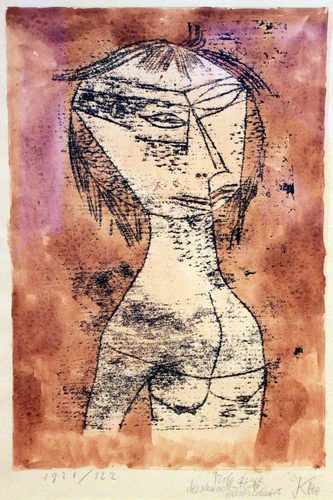
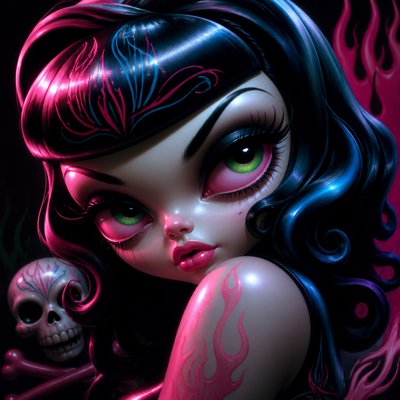
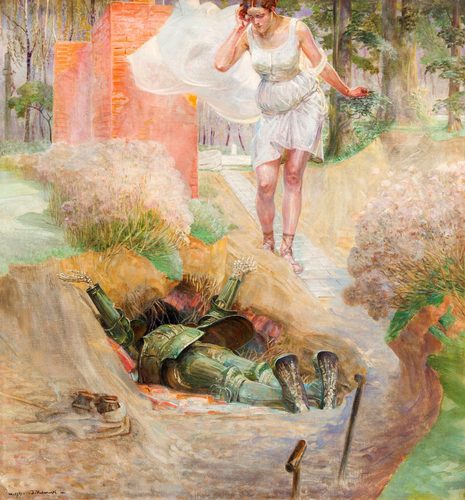
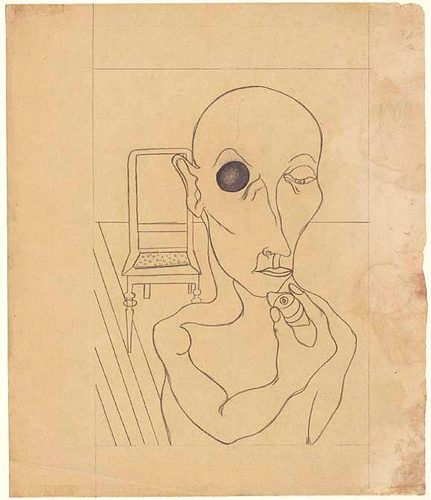
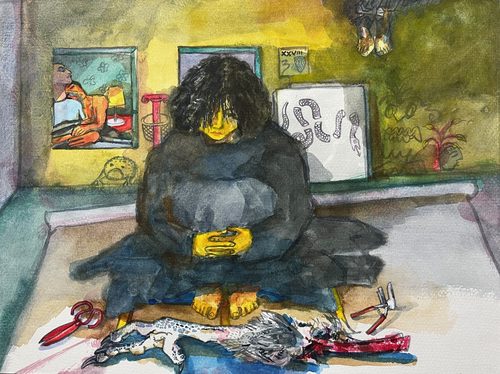
Surrealism is the original early-20th-century movement exploring dreams and the unconscious mind, while Lowbrow and Pop Surrealism is a later Californian offshoot that swaps Freudian theory for cartoons, hot rods, and underground comix. Surrealism began in Paris in 1924, when André Breton's manifesto called for tapping automatism and dream imagery to bypass rational control, producing the melting clocks and uncanny landscapes of Salvador Dalí, René Magritte, and Joan Miró. Lowbrow emerged in Los Angeles starting in the late 1970s, growing out of underground comix, punk flyers, and hot-rod pinstriping rather than psychoanalysis, with artists like Robert Williams painting narrative, pulpy scenes deliberately outside the gallery establishment. Both movements favor strange, dreamlike, and often unsettling imagery, but Surrealism theorizes the unconscious as high art, while Lowbrow embraces pop culture and comic-book roots as a badge of honor.
Surrealism vs. Lowbrow & Pop Surrealism at a glance
| Surrealism | Lowbrow & Pop Surrealism | |
|---|---|---|
| Years | 1924–1966 | 1979–now |
| Origin | Paris, France | Los Angeles, United States |
| Theoretical roots | Grounded in Freudian psychoanalysis and automatism as methods for accessing the unconscious mind. | Grounded in underground comix, punk culture, and hot-rod garage art rather than psychoanalytic theory. |
| Origins | Paris literary and art circles, launched by André Breton's 1924 manifesto. | Los Angeles underground art scene, taking shape from the late 1970s onward. |
| Subject matter | Melting objects, uncanny landscapes, and symbolic dream imagery drawn from personal psychology. | Cartoonish figures, hot-rod imagery, monsters, and pop-culture references drawn from comics and toys. |
| Art-world status | Framed itself as a revolutionary avant-garde, yet was absorbed into museums and the fine-art canon. | Originated deliberately outside galleries and museums, embracing an anti-establishment, DIY identity. |
| Technique | Academic painting technique applied to irrational, dreamlike content, often with meticulous realism. | Illustrative, comic-influenced rendering, often bold outlines and flat color drawn from print and tattoo art. |
| Mood | Uncanny, poetic, and psychologically loaded, aiming to unsettle through ambiguity. | Playful, irreverent, and pulpy, aiming to unsettle through exaggeration and dark humor. |
How to tell them apart
If you see melting clocks, ambiguous dreamscapes, or ordinary objects rendered with uncanny precision, you're looking at Surrealism. If you see big-eyed cartoon characters, hot-rod monsters, or pin-up figures rendered in a comic-book style with a wink of dark humor, that's Lowbrow or Pop Surrealism. Surrealism draws its strangeness from psychoanalytic theory and poetic association; Lowbrow draws its strangeness from comics, cartoons, and garage culture. Surrealist paintings often hang in major museums as historical works; Lowbrow art still carries the identity of an outsider, gallery-skeptical scene.
What they share
Both movements value dreamlike, irrational, and often unsettling imagery over realistic depiction of everyday life, and both position themselves against academic art of their time. Lowbrow artists have acknowledged Surrealism's influence on their embrace of the strange and symbolic, even while rejecting its highbrow theoretical framing in favor of comic-book and pop-culture roots.
Try both
Settle it yourself — generate the same subject in each style and compare the results.
Frequently asked questions
Is Lowbrow art the same as Surrealism?
No. Lowbrow and Pop Surrealism draws on Surrealism's dreamlike strangeness but replaces its psychoanalytic theory with underground comix, hot-rod culture, and cartoon imagery, developing decades later outside the gallery system.
Which came first, Surrealism or Lowbrow?
Surrealism, launched in Paris in 1924. Lowbrow emerged more than fifty years later in Los Angeles, starting in the late 1970s.
Why is it sometimes called Pop Surrealism instead of Lowbrow?
As the style gained gallery acceptance, some preferred Pop Surrealism to sound less dismissive than Lowbrow, though both terms describe the same Los Angeles-rooted movement.