 Art
Art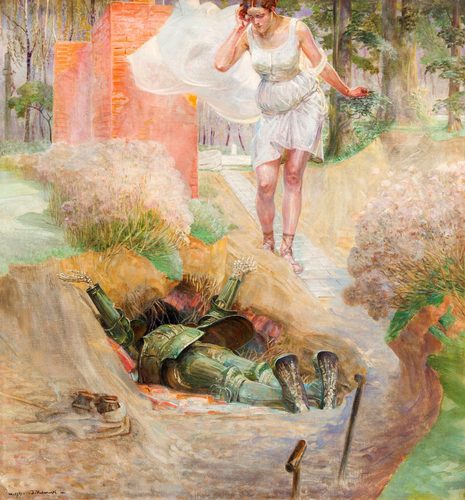
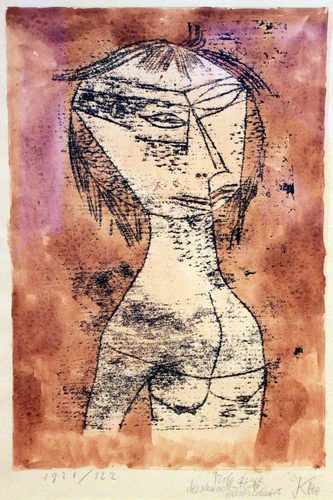
Symbolism used suggestive imagery and mood to evoke inner emotion and spiritual ideas, while Surrealism, which arrived a generation later, tried to bypass conscious control altogether and paint straight from dreams and the unconscious mind. Symbolism developed in France and Belgium from the 1880s as a reaction against Realism and Impressionism's focus on the observed world; painters and poets turned instead to myth, death, and desire, rendered with deliberate, often eerie beauty. Surrealism launched formally in Paris in 1924, when André Breton published the Surrealist Manifesto, drawing on Sigmund Freud's ideas about the unconscious and using techniques like automatic drawing to let imagery emerge without rational control. Symbolist artists still composed their strange scenes with conscious craft and clear allegorical intent; Surrealists wanted to short-circuit that intent, chasing genuine irrationality rather than staged mystery, and the movement stayed active in various forms into the 1960s.
Symbolism vs. Surrealism at a glance
| Symbolism | Surrealism | |
|---|---|---|
| Years | 1880–1910 | 1924–1966 |
| Origin | France & Belgium | Paris, France |
| Approach to imagery | Consciously composed allegory and mood, built with deliberate symbolic intent. | Imagery meant to emerge from the unconscious, dreams, or chance, bypassing rational control. |
| Key influence | Poetry, mythology, and fin-de-siècle interest in the spiritual and the macabre. | Sigmund Freud's theories of the unconscious mind and dream interpretation. |
| Technique | Careful, often academic painting technique in service of mood and allegory. | Techniques like automatic drawing, unexpected juxtaposition, and collage to unlock chance imagery. |
| Subject matter | Myth, death, desire, and dreamlike femmes fatales rendered with theatrical beauty. | Impossible juxtapositions, melting or distorted objects, and disorienting dreamscapes. |
| Organization | A loose, largely literary-driven sensibility shared across painters and poets. | A formally organized movement with manifestos, led initially by André Breton in Paris. |
| Tone | Melancholic, mysterious, and deliberately beautiful even when morbid. | Unsettling, playful, or absurd, often mixing humor with genuine unease. |
How to tell them apart
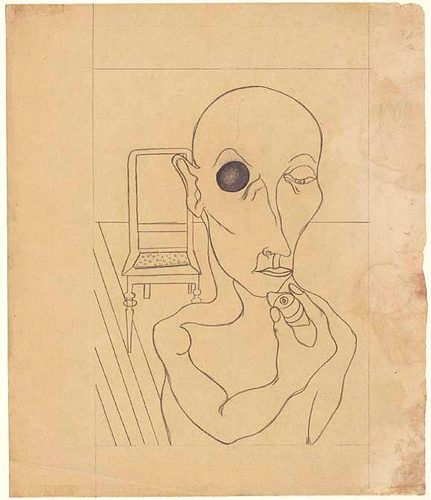
If a painting shows a haunting, dreamlike scene composed with careful, almost decorative beauty — a pale femme fatale, a sphinx, death personified — that's Symbolism. If instead ordinary objects behave impossibly, a clock melts, an eye floats free, or unrelated things collide in one frame, you're looking at Surrealism. Symbolism still feels staged and deliberate, like an illustrated poem. Surrealism feels like it's trying to catch a dream before it evaporates, often stranger and less resolved than Symbolism's polished mystery.
What they share
Both movements rejected the idea that art should simply record the visible world, turning instead toward inner experience, myth, and the irrational. Both grew out of French-speaking artistic circles and drew heavily on literature and poetry alongside visual art. Surrealist writers and artists, including André Breton, explicitly acknowledged Symbolist poets as forerunners, and both movements share a taste for uncanny, dreamlike imagery even though their methods differ sharply.
Try both
Settle it yourself — generate the same subject in each style and compare the results.
Frequently asked questions
Is Surrealism the same as Symbolism?
No. Symbolism used deliberate, consciously composed imagery to suggest mood and myth, while Surrealism, decades later, tried to capture dreams and the unconscious directly, often through chance and automatic techniques.
Which came first, Symbolism or Surrealism?
Symbolism, developing in France and Belgium from the 1880s. Surrealism followed decades later, launched formally in Paris in 1924 with André Breton's Surrealist Manifesto.
Did Surrealism grow out of Symbolism?
Surrealists acknowledged Symbolist poets as forerunners in exploring dream and the irrational, but Surrealism added Freud's theory of the unconscious and techniques like automatic drawing that Symbolism never used.