 Art
Art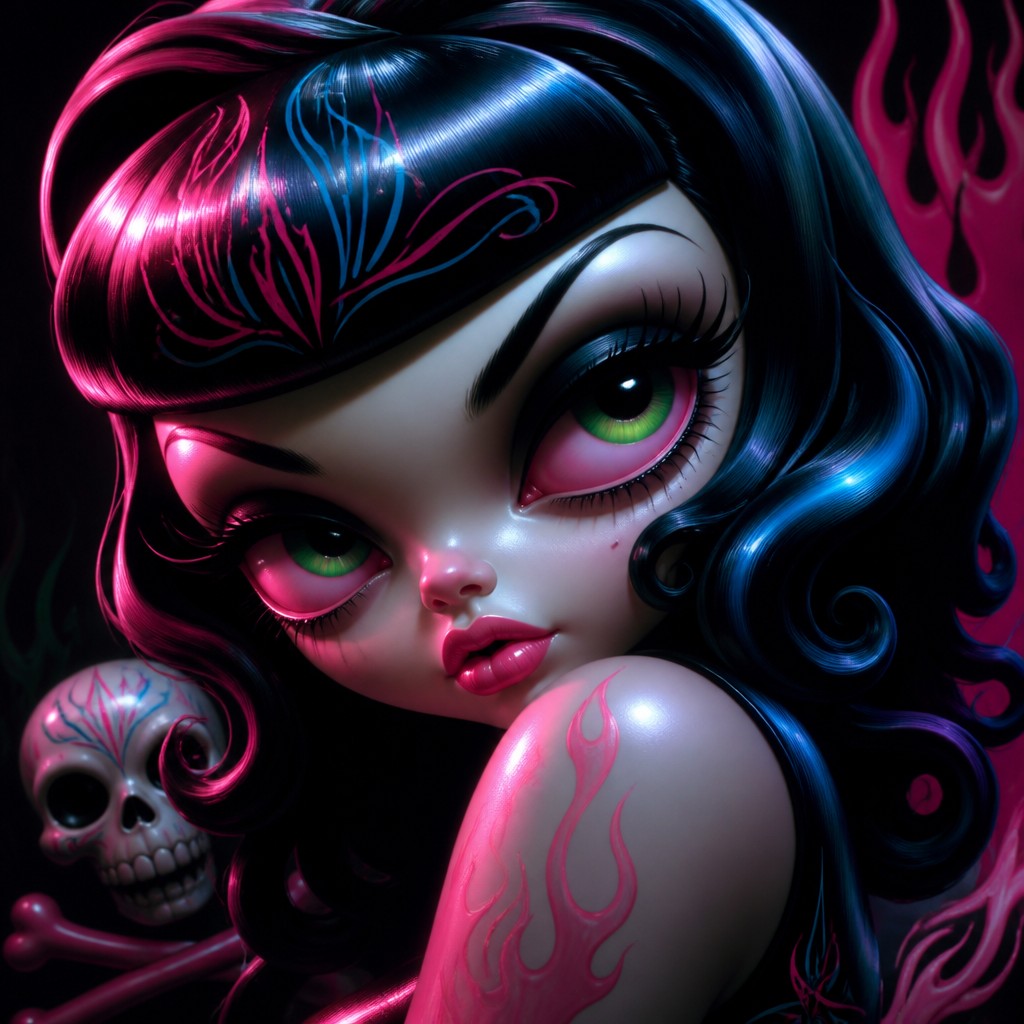 AI-generated
 AI-generated
 AI-generated
Lowbrow, also known as Pop Surrealism, is an art movement that emerged in Southern California beginning in the late 1970s out of the region's hot-rod, custom car, surf, and underground comix cultures. Painter Robert Williams, who had worked as an illustrator for hot-rod customizer Ed "Big Daddy" Roth and contributed to underground comics including Zap Comix, coined the term "Lowbrow" with his 1979 book The Lowbrow Art of Robt. Williams, using the label with self-aware irony to describe work that drew openly on cartooning, hot-rod graphics, and pulp illustration rather than academic fine-art tradition.
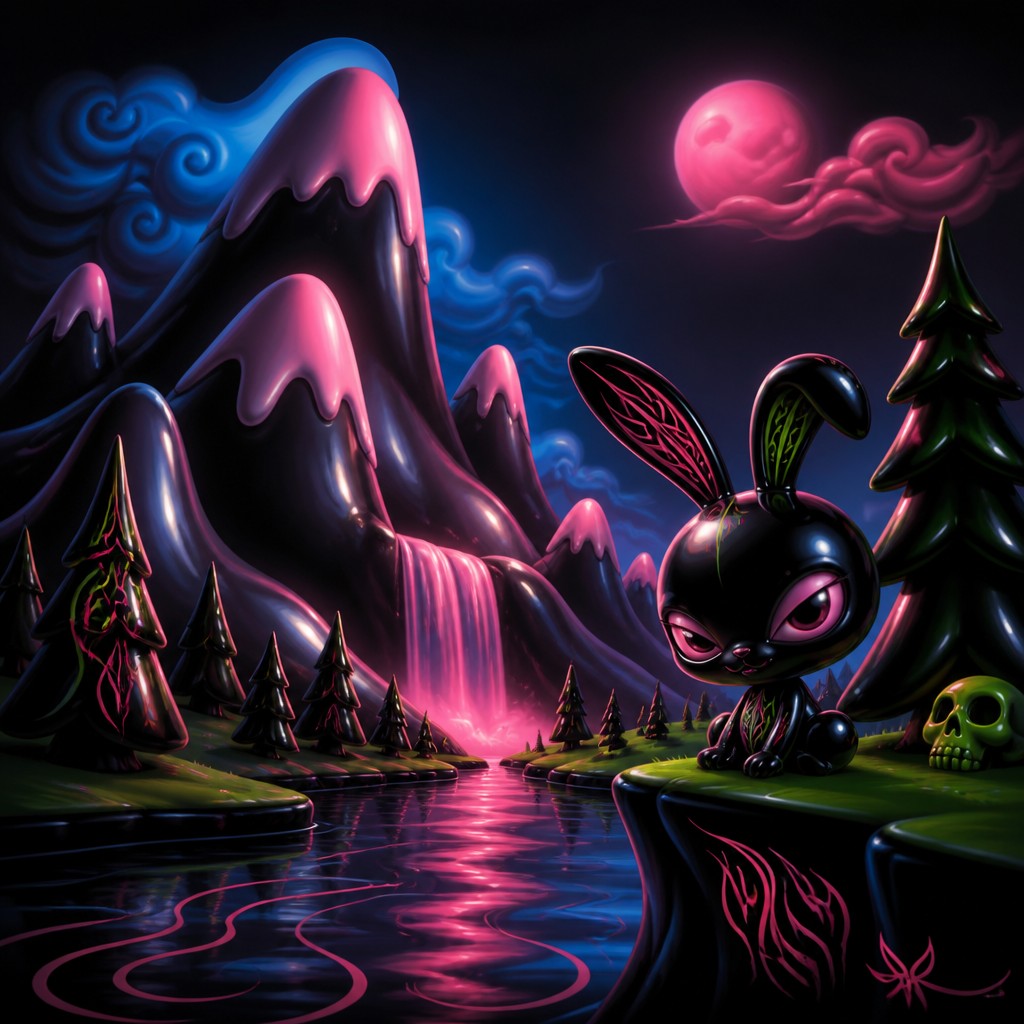
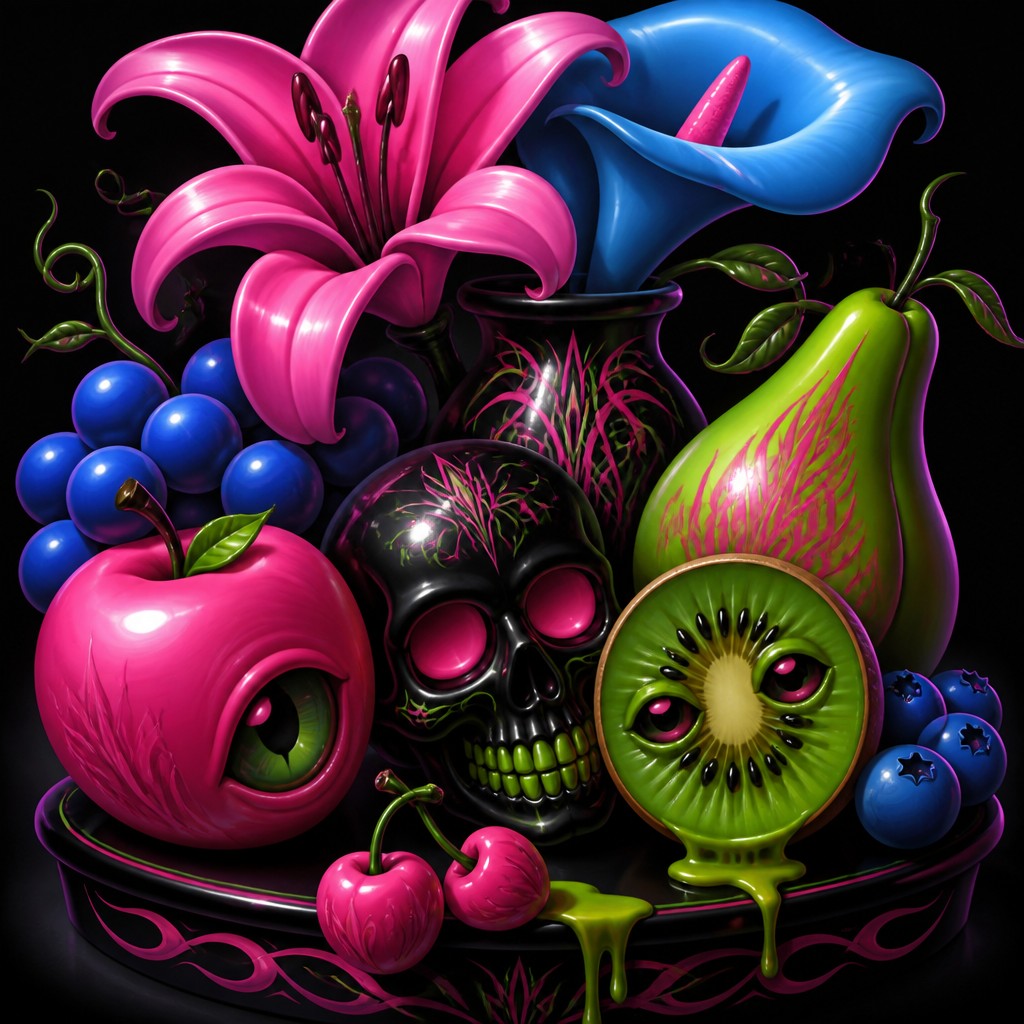
Visually, Lowbrow art combines technically accomplished, often old-master-influenced painting methods—careful glazing, precise rendering, controlled color—with subject matter borrowed from comics, cartoons, advertising, and pulp fiction. The resulting images are typically narrative and densely detailed, staging fantastical, satirical, or unsettling scenes populated by cartoonish figures, monsters, or hybrid creatures. As the movement matured through the 1990s, artists including Mark Ryden and Camille Rose Garcia pushed it toward a more explicitly Surrealist, dreamlike register—delicately rendered scenes charged with psychological unease—leading galleries and critics to adopt the parallel label "Pop Surrealism" for this more painterly, fantastical strand.
Lowbrow rebelled against the art world's long-standing hierarchy separating "serious" fine art from illustration, cartooning, and other commercial or popular image-making, a distinction its founders considered arbitrary and snobbish given the technical skill such popular forms actually required. It also positioned itself outside the East Coast gallery and museum establishment, building its own infrastructure instead: independent galleries such as Los Angeles's La Luz de Jesus, and, from 1994, Juxtapoz magazine, which Robert Williams co-founded specifically to give the movement press coverage the mainstream art press had denied it.
Lowbrow and Pop Surrealism matter because they built a large, self-sustaining alternative art ecosystem—galleries, a dedicated magazine, and art fairs—largely independent of traditional museum validation, while demonstrating that technical virtuosity and popular, narrative subject matter were not mutually exclusive with serious artistic ambition. The movement's emphasis on craftsmanship and storytelling has also made it one of the more consistently popular and collectible strands of contemporary figurative art.
What defines Lowbrow & Pop Surrealism
Comix and Hot-Rod Origins
Visual vocabulary draws directly on underground comix, hot-rod pinstriping, and custom car culture, reflecting the movement's roots in Southern California illustration rather than academic fine-art training.
Old-Master Painting Technique
Many artists apply traditional methods—careful glazing, underpainting, precise modeling—associated with historical fine-art painting to unmistakably pop-culture or cartoonish subject matter, a deliberate technical-subject mismatch central to the style.
Narrative, Densely Detailed Scenes
Compositions typically tell a story or stage an elaborate tableau, packed with symbolic props, invented creatures, and visual gags, rewarding close, extended viewing rather than an instant single impression.
Cute-Meets-Grotesque Figures
Characters often combine innocent or childlike features with disturbing or menacing details, producing a tonal unease characteristic of the movement's Pop Surrealist strand.
Candy-Bright, Controlled Color
Palettes favor saturated, confectionery colors—pastel pinks, deep reds, warm golds—applied with precise, controlled rendering rather than loose or gestural brushwork.
Independent Exhibition Infrastructure
The movement built its own galleries, publications, and art fairs, most notably Juxtapoz magazine, rather than seeking validation primarily through traditional museums or mainstream art criticism.
History
Lowbrow's origins trace to Southern California's hot-rod and custom car culture of the 1950s–60s, particularly the airbrushed monster and pinstriping graphics associated with customizer Ed "Big Daddy" Roth, for whom Robert Williams worked as an illustrator early in his career. Williams also contributed to the underground comix scene of the late 1960s and 1970s, publishing in anthologies like Zap Comix alongside other underground cartoonists, absorbing that scene's dense, satirical, and taboo-courting visual style.
Williams coined the term "Lowbrow" for his 1979 book collecting his own paintings, adopting the art establishment's dismissive vocabulary as a badge of pride for work rooted in comics, hot-rod culture, and pulp illustration rather than academic tradition. Through the 1980s, a loose community of Southern California artists working in related idioms began exhibiting together, particularly at Los Angeles's La Luz de Jesus Gallery, founded in 1986, which became a central venue for the emerging scene.
The movement gained a dedicated press platform in 1994 when Williams co-founded Juxtapoz magazine specifically to cover Lowbrow and related artists overlooked by mainstream art publications; the magazine grew into one of the best-selling art magazines in the United States. During the 1990s and 2000s, artists including Mark Ryden, who left a career in commercial illustration to pursue meticulously rendered, psychologically charged paintings, and Camille Rose Garcia, known for dark, drip-laden fairy-tale imagery, expanded the movement's range toward a more explicitly Surrealist sensibility, popularizing the parallel term "Pop Surrealism."
The movement has no formal end date and remains commercially and critically active today, with dedicated galleries, art fairs, and a broad international following continuing to exhibit new work across the full range from its hot-rod-and-comix roots to its more painterly Pop Surrealist strand.
Key works
| Work | Artist | Year | Why it matters |
|---|---|---|---|
| Rosie's Tea Party | Mark Ryden | 1998 | A meticulously rendered scene pairing childlike innocence with meat and butchery imagery, exemplifying Pop Surrealism's blend of cuteness and unease. |
How to make art in this style
Working in a Lowbrow / Pop Surrealist Style
Palette: Use saturated, candy-bright color—cotton-candy pinks, deep crimson, warm gold, and rich darks for contrast—applied with controlled precision rather than loose gesture.
Composition: Build a dense, narrative scene rather than a single isolated figure; pack the frame with symbolic props, secondary characters, or background detail that rewards close, extended looking. Consider borrowing formal devices from religious or historical painting—altarpiece formats, allegorical staging—for pop-culture subjects.
Technique: Work in careful layers—underpainting, glazing, controlled blending—closer to traditional academic or old-master methods than to expressive brushwork. Precision and finish are central to the style's effect; roughness undercuts the intended tension between polished technique and unruly subject matter.
Subjects: Draw on cartoons, hot-rod and custom-car graphics, vintage advertising, pulp illustration, and fairy tale or folklore imagery. Pair childlike or cute elements—large-eyed characters, candy colors, storybook settings—with a disquieting or grotesque undercurrent: a hidden threat, a melancholy expression, an incongruous detail.
Narrative and tone: Favor dark humor, satire, and psychological ambiguity over straightforward illustration; the strongest work in this style holds sweetness and unease in the same frame without resolving the tension between them.
Presentation: The style suits both single paintings and illustrated series or book projects; consider how a recurring cast of characters or a book-length narrative can extend a single image's world, a common strategy among the movement's key artists.
Legacy
Lowbrow and Pop Surrealism demonstrated that a large, dedicated audience existed for narrative, technically ambitious figurative painting rooted in popular culture, and that this audience could be reached and sustained largely outside the traditional museum and blue-chip gallery system. The alternative infrastructure the movement built—independent galleries, Juxtapoz magazine, and later a network of international art fairs—provided a durable model for other artist communities seeking visibility outside mainstream art-world validation.
The movement's fusion of illustrative craft and gallery ambition also influenced the broader acceptance of comics, animation, tattoo art, and street art as legitimate references for serious painting, helping erode the twentieth-century hierarchy that had kept such popular forms categorically separate from fine art. Mark Ryden's meticulous technique and Camille Rose Garcia's dark fairy-tale aesthetic in particular have been widely imitated and referenced across illustration, toy design, and fashion.
Today, Lowbrow and Pop Surrealist imagery circulates widely in tattoo art, streetwear graphics, and vinyl toy design, and the movement's core artists continue to command a substantial, loyal collector base. Its insistence that technical mastery and popular subject matter are compatible, rather than opposed, remains a defining and influential position within contemporary figurative art.
Frequently asked questions
What is Lowbrow art?
Lowbrow, also called Pop Surrealism, is an art movement that emerged from Southern California's hot-rod, surf, and underground comix culture in the late 1970s, combining meticulous painting technique with cartoonish or pop-culture subject matter.
Who coined the term "Lowbrow"?
Artist Robert Williams coined the term with his 1979 book The Lowbrow Art of Robt. Williams, adopting the art establishment's dismissive label as a self-aware badge of pride.
What's the difference between Lowbrow and Pop Surrealism?
The two terms describe overlapping work; "Lowbrow" emphasizes the movement's roots in comics, hot-rod graphics, and underground illustration, while "Pop Surrealism" describes its more painterly, dreamlike, and psychologically charged strand.
What role did Juxtapoz magazine play?
Robert Williams co-founded Juxtapoz in 1994 specifically to give Lowbrow and related artists press coverage that mainstream art magazines had denied them, and it grew into a central platform for the movement.
Is Lowbrow art still being made today?
Yes—the movement remains active, with dedicated galleries, art fairs, and a large international following continuing to support new work across its full range, from hot-rod-derived imagery to Pop Surrealist painting.