 Art
Art
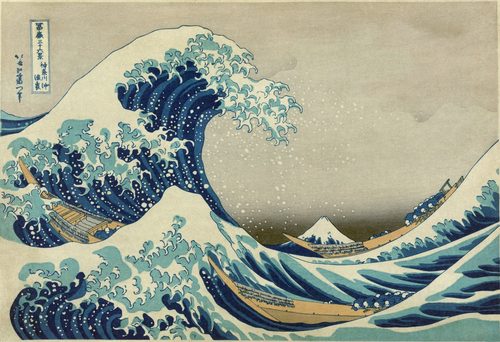
Ukiyo-e is the Japanese woodblock print tradition itself; Japonisme is the European fascination with, and adaptation of, that tradition into Western art. Ukiyo-e — meaning 'pictures of the floating world' — developed in Edo (now Tokyo) starting around 1600, producing affordable prints of courtesans, kabuki actors, and later landscapes by masters like Hokusai and Hiroshige. When Japan reopened to Western trade in the 1850s, ukiyo-e prints reached Paris and sparked Japonisme, a wave of enthusiasm among French artists starting around 1860 who collected the prints and borrowed their flattened perspective, bold outlines, cropped compositions, and unconventional viewpoints. Painters like Monet, Van Gogh, and Degas absorbed these devices into their own work without practicing the Japanese printmaking craft itself. In short: ukiyo-e is a Japanese art form with its own centuries-long history; Japonisme is a Western trend that borrowed from it, filtered through European eyes and materials.
Ukiyo-e vs. Japonisme at a glance
| Ukiyo-e | Japonisme | |
|---|---|---|
| Years | 1600–1900 | 1860–1900 |
| Origin | Edo, Japan | Paris, France |
| Nature | A Japanese printmaking and painting tradition with its own artists. | A European trend of collecting and borrowing from that tradition. |
| Practitioners | Japanese artists and craftsmen, working within an established guild system. | European, mainly French, painters and designers adapting borrowed motifs. |
| Medium | Woodblock prints, produced in multiples by carver and printer teams. | Oil painting, decorative arts, and design influenced by print aesthetics. |
| Subject matter | Courtesans, kabuki actors, landscapes, and everyday Edo life. | Western subjects reframed using Japanese compositional devices. |
| Timeline | Spans roughly three centuries, from 1600 to the late 1800s. | A concentrated burst of interest lasting about forty years. |
| Origin | Grew from Japan's own urban culture and print market. | Sparked by trade contact and imported prints reaching Paris. |
How to tell them apart
If you're looking at a Japanese woodblock print itself — flat color blocks, a signed artist like Hokusai or Hiroshige, made for the Japanese print market — that's ukiyo-e. If you're looking at a French oil painting or poster that borrows ukiyo-e's flattened space, bold cropping, or asymmetrical framing but depicts a Parisian dancer, a Provençal orchard, or a fashionable interior, that's Japonisme. Look for the medium and the maker: original prints by Japanese artists are ukiyo-e; Western paintings and designs echoing that look are Japonisme.
What they share
Japonisme exists only because of ukiyo-e — European artists were responding directly to imported Japanese prints, and without that source material the Western trend would never have taken shape. Both share a visual vocabulary of flattened space, strong outline, and unconventional cropping, even though one is a centuries-old Japanese craft tradition and the other a brief Western borrowing from it.
Try both
Settle it yourself — generate the same subject in each style and compare the results.
Frequently asked questions
Is Japonisme the same as ukiyo-e?
No. Ukiyo-e is the Japanese woodblock print tradition itself, made by Japanese artists. Japonisme is the later European trend of collecting ukiyo-e prints and borrowing their visual devices into Western art.
Which came first, ukiyo-e or Japonisme?
Ukiyo-e, which developed in Edo, Japan starting around 1600. Japonisme followed roughly two and a half centuries later, emerging in Paris around 1860 after Japan reopened to Western trade.
Did Japonisme influence real ukiyo-e artists?
No — Japonisme describes European artists borrowing from ukiyo-e, not the reverse. Japanese printmakers like Hokusai and Hiroshige worked within their own tradition, largely unaffected by the later European trend their prints inspired.