 Art
Art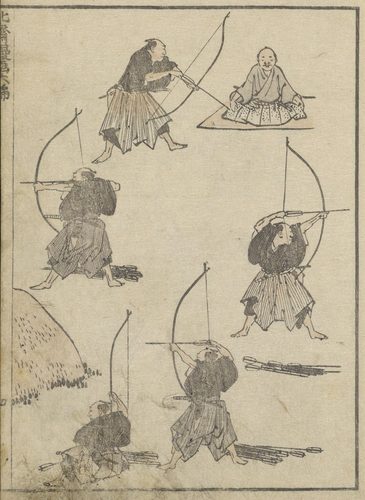
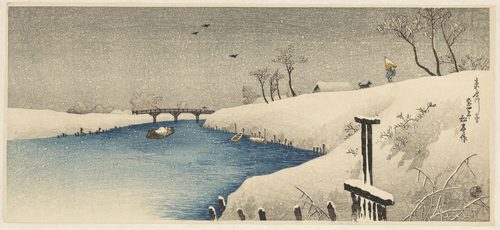
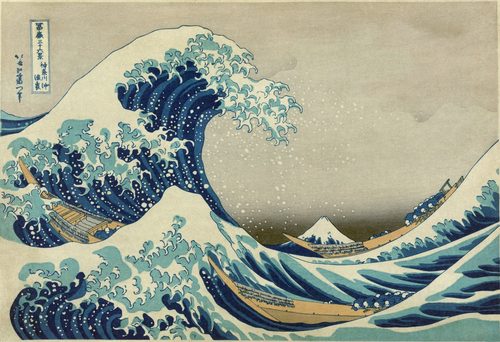
Shin-hanga is a 20th-century revival of ukiyo-e's woodblock printmaking, not a continuation of it: where ukiyo-e was Edo Japan's centuries-long trade in prints for ordinary city dwellers, shin-hanga was a boutique 1910s–1940s movement aimed at collectors and export buyers. Ukiyo-e took shape in 17th-century Edo, growing from painted scrolls into a mass medium of kabuki actors, courtesans, and famous views, produced fast and cheap by teams of publisher, artist, carver, and printer. That trade largely died out once photography and Western lithography reached Japan in the late 1800s. Shin-hanga, launched by publisher Watanabe Shozaburo in Tokyo, revived the same team-based woodblock process but paired it with artists trained in Western ideas of light, shading, and atmosphere. The prints kept ukiyo-e's hand-carved craftsmanship while trading its flat color and graphic outline for softer, moodier landscapes and quiet domestic scenes, marketed heavily to American and European collectors rather than to Japan's own public.
Ukiyo-e vs. Shin-hanga at a glance
| Ukiyo-e | Shin-hanga | |
|---|---|---|
| Years | 1600–1900 | 1915–1942 |
| Origin | Edo, Japan | Tokyo, Japan |
| Purpose | Cheap, mass-produced prints for Edo's urban public — actors, courtesans, and travel views sold like posters. | Limited, carefully printed editions marketed to collectors and export buyers, especially in the West. |
| Subject matter | Kabuki stars, courtesans, sumo wrestlers, and famous scenic spots tied to popular Edo culture. | Quiet landscapes, temples, and domestic scenes with a nostalgic, timeless mood. |
| Color & light | Flat, graphic color blocks with bold outlines and little illusion of depth or atmosphere. | Layered, blended color creating soft gradations, mist, and specific times of day. |
| Artist's role | Designer supplied only the drawing; publisher, carver, and printer controlled the finished look. | Same team system, but designs leaned on Western drawing training in perspective and shading. |
| Era & context | Flourished across the Edo period, roughly 1600 to the 1868 Meiji Restoration and beyond. | A compressed revival movement running from the 1910s to the early 1940s. |
| Market | Sold domestically to Edo's merchant and townsperson class as everyday entertainment. | Sold heavily abroad, particularly to American collectors, as fine-art curios. |
How to tell them apart
Look at the color. If the print is flat and graphic — bold black outlines, solid unshaded color, a courtesan or kabuki actor staring straight out — that's ukiyo-e. If the same woodblock technique instead produces soft, almost photographic gradations of light, misty mountains, or a quiet lantern-lit street with no figure looking at you, you're looking at shin-hanga. Ukiyo-e subjects feel like Edo entertainment: theater, beauties, and famous views sold as souvenirs. Shin-hanga subjects feel like mood pieces, often landscapes or intimate interiors bathed in dusk or moonlight. Crisp linear pattern points to ukiyo-e; atmospheric blending and Western-style shading point to shin-hanga.
What they share
Both rely on the same collaborative Japanese woodblock system — a publisher coordinating a designer, block carver, and printer — and both prize skilled hand-carving and hand-printing over painting. Shin-hanga artists and publishers saw themselves as heirs to earlier ukiyo-e masters, deliberately reviving techniques that had nearly disappeared. Both traditions also produced landscape prints built from the same technical feat: dozens of separate blocks and printings layered into one image.
Try both
Settle it yourself — generate the same subject in each style and compare the results.
Frequently asked questions
Is shin-hanga the same as ukiyo-e?
No. Shin-hanga is a 20th-century revival that reused ukiyo-e's woodblock printing method but changed its purpose, subjects, and audience, aiming at collectors rather than Edo's everyday print-buying public.
Which came first, ukiyo-e or shin-hanga?
Ukiyo-e, by centuries. It took shape in 17th-century Edo and had already faded out before shin-hanga launched in the 1910s in Tokyo as a deliberate revival of the older craft.
Why does shin-hanga look more realistic than ukiyo-e?
Shin-hanga artists were trained in Western-influenced shading and perspective, and publishers pushed for atmospheric light effects to appeal to collectors, unlike ukiyo-e's flatter, more graphic Edo-period style.