 Art
Art
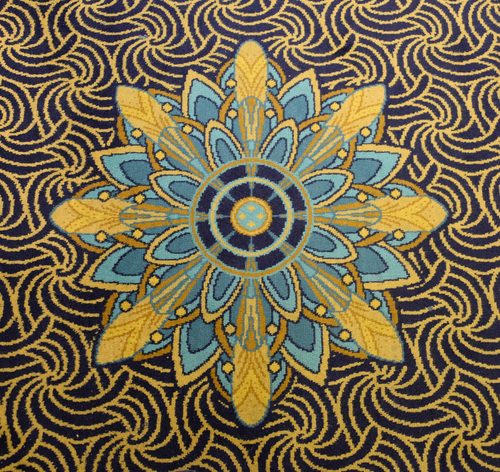
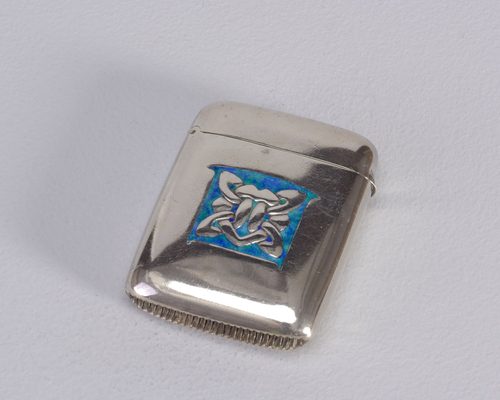
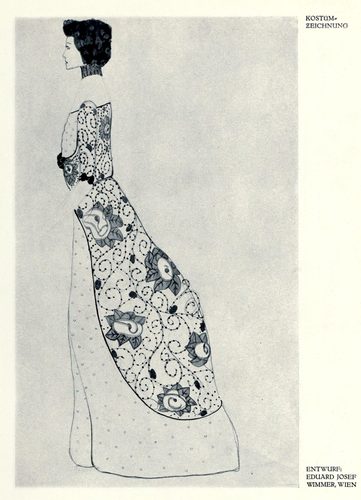
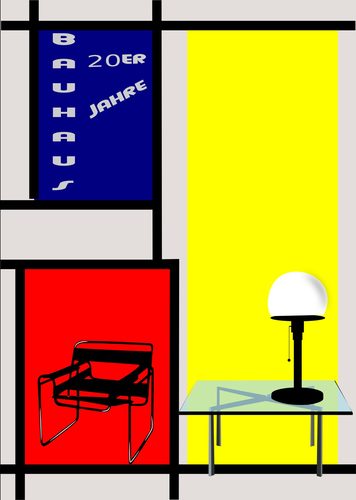
Art Nouveau is defined by organic, whiplash curves drawn from plants and flowers, while Art Deco, which took hold in Paris a generation later, replaced those curves with hard geometry, symmetry, and a machine-age sense of glamour. Art Nouveau took hold in Brussels and Paris around 1890, treating buildings, furniture, and jewelry as opportunities for flowing, nature-inspired ornament. It faded out around 1910, partly because that level of handcrafted decoration was expensive and slow. Art Deco rose in Paris after World War One, taking its name from the 1925 Exposition Internationale des Arts Décoratifs, and answered the modern era of skyscrapers, ocean liners, and automobiles with bold geometric pattern, symmetrical composition, and lavish materials like chrome, lacquer, and exotic wood. Where Art Nouveau looked to the garden, Art Deco looked to the machine, and its streamlined confidence became the visual shorthand for the Jazz Age.
Art Nouveau vs. Art Deco at a glance
| Art Nouveau | Art Deco | |
|---|---|---|
| Years | 1890–1910 | 1920–1939 |
| Origin | Brussels & Paris | Paris, France |
| Line & shape | Flowing, asymmetrical curves modeled on stems, vines, and flowing hair. | Crisp, symmetrical geometry — zigzags, sunbursts, and stepped forms. |
| Color | Muted, naturalistic tones — mossy greens, soft golds, dusty pastels. | Bold contrast — black, chrome, gold, and jewel tones for high-impact glamour. |
| Materials | Iron, stained glass, and hand-finished wood worked into organic shapes. | Chrome, lacquer, glass, and exotic veneers prized for sleek, reflective surfaces. |
| Mood | Dreamy and romantic, evoking gardens, nymphs, and natural growth. | Confident and glamorous, evoking speed, luxury, and modern technology. |
| Inspiration | Nature — plants, insects, and the female form in flowing motion. | Machines and modernity — skyscrapers, ocean liners, automobiles, and ancient Egyptian motifs. |
| Typical setting | Paris Métro entrances, jewelry, and hand-crafted furniture around 1900. | Skyscraper lobbies, cinema facades, and luxury liners of the interwar years. |
How to tell them apart
If the ornament curves like a vine or a woman's flowing hair, with no straight line in sight, that's Art Nouveau. If instead you see crisp zigzags, sunburst patterns, or a stepped, symmetrical skyscraper facade in chrome and black, you're looking at Art Deco. Art Nouveau ironwork looks grown, almost alive; Art Deco ironwork looks engineered and precise. Art Nouveau favors soft, natural color; Art Deco favors hard contrast and metallic shine. A Paris Métro entrance is Art Nouveau; a stepped, chrome-trimmed skyscraper spire is Art Deco.
What they share
Both movements largely peaked in Paris, and both treated design as total — extending one visual idea across architecture, furniture, jewelry, and graphics. Both also rejected historical revival styles in favor of something visibly modern for their moment. Some designers worked across the transition, softening Art Nouveau curves into the more geometric forms that Art Deco would later sharpen further.
Try both
Settle it yourself — generate the same subject in each style and compare the results.
Frequently asked questions
Is Art Deco the same as Art Nouveau?
No. They're different styles from different decades. Art Nouveau's flowing, plant-inspired curves came first, around 1890; Art Deco's geometric, machine-age glamour followed after World War One.
Which came first, Art Nouveau or Art Deco?
Art Nouveau, emerging around 1890 in Brussels and Paris. Art Deco followed roughly three decades later, taking hold in Paris during the 1920s.
Why do people confuse Art Nouveau and Art Deco?
Both are French-rooted decorative styles applied across architecture, jewelry, and furniture, and their names sound similar in English, even though their visual languages — organic curves versus hard geometry — are opposites.