 Art
Art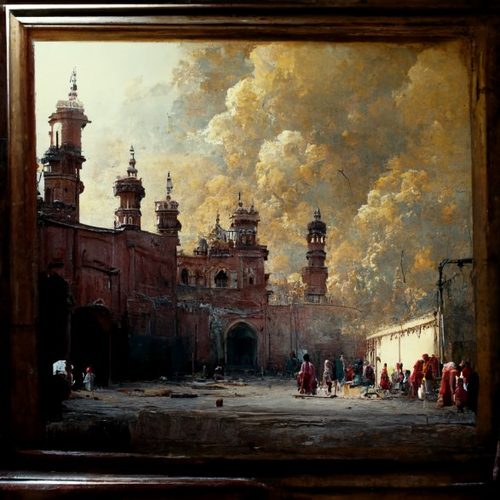
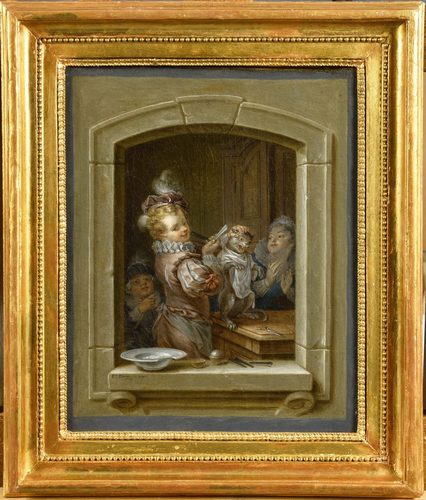
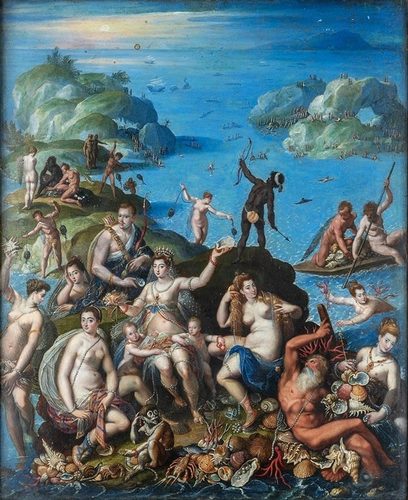
Baroque (Rome, about 1600–1750) is heavy, dramatic, and devotional; Rococo (Paris, about 1720–1780) is light, playful, and secular, and the shift traces directly to a change of patron and mood. Baroque grew out of the Counter-Reformation Church and absolutist courts like Louis XIV's Versailles, using dark, dramatic contrast and grand scale to project religious and royal power. Rococo emerged after Louis XIV's death in 1715, when the French aristocracy relocated to smaller Parisian townhouses and traded solemn spectacle for intimate pleasure: flirtation, gardens, silk, and pastel color. Where Baroque ceilings open onto stormy, awe-inspiring heavens, Rococo panels favor curling ornament, powder-blue skies, and courtship scenes among the wealthy. The two share a taste for movement and ornament — Rococo can be read as Baroque's decorative vocabulary shrunk down and stripped of its religious gravity — but their moods, subjects, and audiences point in almost opposite directions.
Baroque vs. Rococo at a glance
| Baroque | Rococo | |
|---|---|---|
| Years | 1600–1750 | 1720–1780 |
| Origin | Rome, Italy | Paris, France |
| Mood | Grand, solemn, and dramatic, aiming to inspire awe or devotion. | Light, playful, and flirtatious, aiming to charm and delight. |
| Color & light | Deep, saturated color with strong shadow and dramatic contrast. | Pale pastels — powder blue, blush pink, ivory — with soft, even light. |
| Subject matter | Religious drama, martyrdoms, and heroic mythological or royal scenes. | Courtship, garden parties, and mythological subjects treated as playful romance. |
| Scale & purpose | Monumental works for churches and palace state rooms. | Intimate works scaled for private Parisian townhouse salons. |
| Composition | Bold diagonals and dramatic focal points built for grandeur. | Curling, asymmetrical ornament (rocaille) built for delicate charm. |
| Materials | Heavy stone, bronze, and richly framed oil paintings. | Gilded plaster, porcelain, silk, and small-scale oil panels. |
How to tell them apart
If a scene feels heavy, dramatic, and devotional, with deep shadow and figures caught in a moment of spiritual or heroic intensity, you're looking at Baroque. If a scene feels light, flirtatious, and decorative, with pastel color, curling gilded ornament, and figures in a garden flirting rather than suffering, that's Rococo — Fragonard's swings and gardens, Boucher's pastel mythologies. Baroque interiors feel solemn and awe-inspiring, often dim stone churches meant to humble a visitor; Rococo interiors feel like an intimate, sugary private party, all gilded mirrors and pale silk meant to flatter one.
What they share
Rococo grew directly out of Baroque's love of ornament, movement, and asymmetry — it's often described as Baroque's decorative energy scaled down for private life rather than a wholesale rejection of it. Both movements share French and Italian courtly roots and a taste for elaborate, theatrical detail, even as Rococo dropped Baroque's religious weight for lighter, secular pleasure.
Try both
Settle it yourself — generate the same subject in each style and compare the results.
Frequently asked questions
Is Rococo the same as Baroque?
No, though it grew out of it. Rococo took Baroque's ornament and movement and shrank them down into something lighter, more playful, and secular — pastel colors and intimate garden scenes instead of dramatic religious spectacle.
Which came first, Baroque or Rococo?
Baroque, by about 120 years. It began around 1600 in Rome; Rococo emerged around 1720 in Paris, after the death of Louis XIV shifted French taste toward intimacy and pleasure.
Why did Rococo replace Baroque in France?
When Louis XIV died in 1715, the French aristocracy left Versailles for smaller Parisian townhouses and wanted decor to match: lighter, more playful, less solemn than the grand religious drama Baroque had favored.