 Art
Art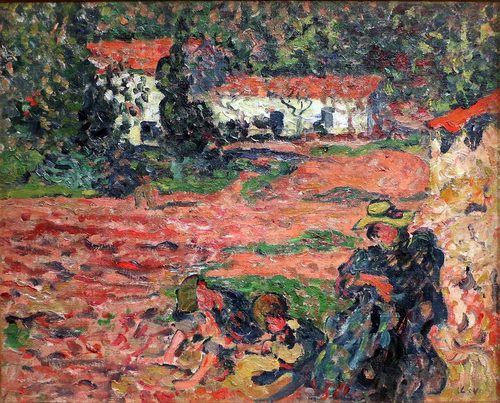
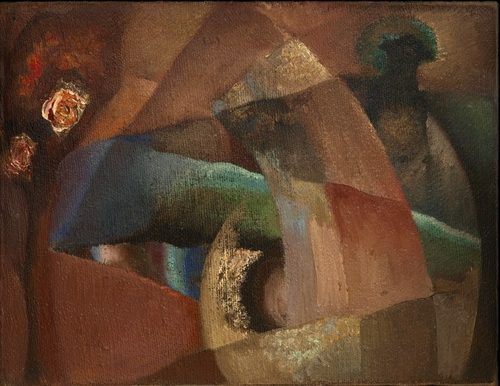
Fauvism used wild, unnaturalistic color mainly for its own visual joy and decorative power, while Expressionism, which emerged around the same time in Germany and Austria, used similarly intense color and distortion to convey raw psychological or emotional states, often anxious ones. Fauvism burst into view in Paris in 1905, when painters including Henri Matisse showed canvases in shockingly bright, arbitrary color that critics mocked by calling them fauves, or wild beasts; the group's radical color experiments barely lasted past 1910 before its members moved in other directions. Expressionism developed just after, from 1905, centered in Germany with groups like Die Brücke and later Der Blaue Reiter, and pushed distortion further, twisting form and color to express inner turmoil or spiritual intensity rather than decorative pleasure. Where Fauvism generally stayed cheerful and sensuous, German Expressionism leaned toward unease, running in various forms into the 1920s and beyond.
Fauvism vs. Expressionism at a glance
| Fauvism | Expressionism | |
|---|---|---|
| Years | 1904–1910 | 1905–1930 |
| Origin | Paris, France | Germany & Austria |
| Mood | Joyful, sensuous, and decorative, even when color is jarring. | Anxious, intense, and often unsettling, using color to convey inner turmoil. |
| Use of color | Bright, arbitrary color chosen for visual harmony and pleasure, not symbolism. | Intense, sometimes harsh color used to express emotional or psychological states. |
| Subject matter | Landscapes, interiors, and leisure scenes rendered with decorative pleasure in mind. | Urban anxiety, alienation, and the human figure treated as psychological subject. |
| Line & form | Simplified, flattened shapes organized for pattern and decorative balance. | Distorted, jagged, or exaggerated forms that heighten emotional intensity. |
| Duration & cohesion | A short-lived, loosely organized burst centered on a handful of Paris painters. | A longer, broader movement with organized groups across several German and Austrian cities. |
| Key figures | Henri Matisse and André Derain, exhibiting together in Paris around 1905. | Artists in groups like Die Brücke and Der Blaue Reiter across Germany and Austria. |
How to tell them apart
If the color feels joyful and decorative — a sunny interior or a seaside view rendered in impossible pinks and greens purely for visual pleasure — that's Fauvism. If instead the color and distorted forms feel anxious or raw, with jagged lines, harsh contrasts, or twisted, angst-ridden faces, you're looking at Expressionism. Fauvism rarely pushed past a canvas's surface pleasure; Expressionism pushed distortion until it read as genuine psychological unease. Matisse's calm, patterned rooms are Fauvism; a hollow-eyed Expressionist figure is not.
What they share
Both movements broke from naturalistic color at roughly the same moment, treating hue as an expressive tool rather than a record of appearance. Both were influenced by Post-Impressionist painters, particularly Vincent van Gogh and Paul Gauguin, and both prized bold, simplified brushwork over academic finish. Some German Expressionists directly admired the Fauves' color experiments, even as they pushed the emotional temperature of their own work much further.
Try both
Settle it yourself — generate the same subject in each style and compare the results.
Frequently asked questions
Is Expressionism the same as Fauvism?
No. Fauvism used bold, arbitrary color mainly for decorative and sensuous effect, while Expressionism, developing around the same time in Germany and Austria, used similarly intense color to convey raw psychological and emotional states.
Which came first, Fauvism or Expressionism?
Fauvism, which erupted at Paris's 1905 Salon d'Automne. German and Austrian Expressionism took shape at almost the same moment, from 1905, and lasted considerably longer as an organized movement.
Did Fauvism influence Expressionism?
Yes, in a general sense. Both drew on Post-Impressionist color experiments, and German Expressionists were aware of the Fauves' bright palette, though Expressionism pushed distortion toward emotional unease rather than decorative pleasure.