 Art
Art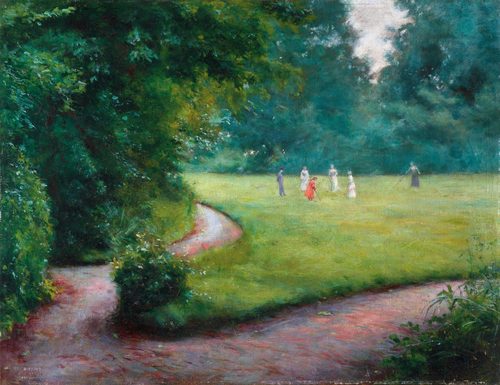
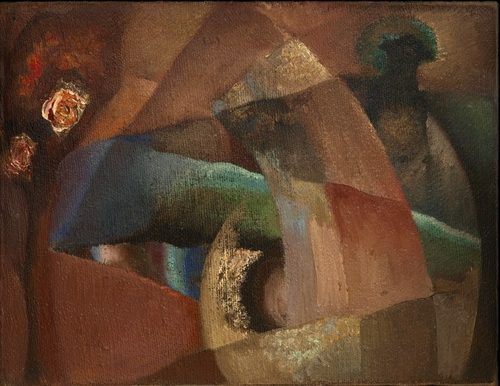
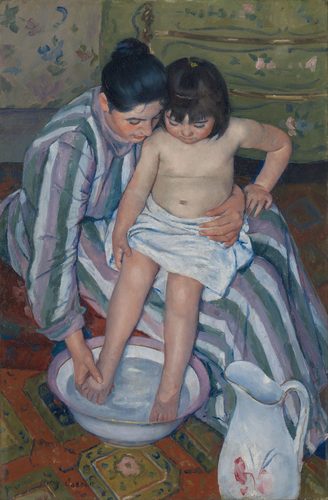
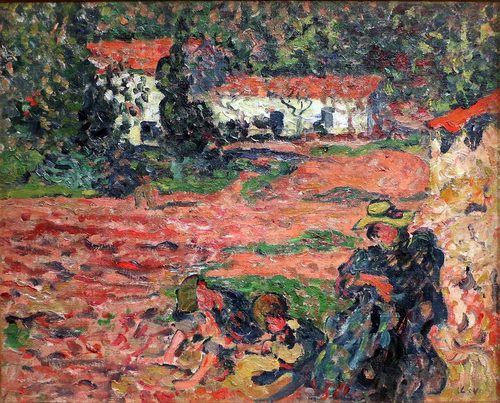
Impressionism paints what a scene looks like in a fleeting moment of light; Expressionism distorts how a scene looks in order to convey how it feels. Impressionism emerged in Paris around 1860, with painters like Monet and Renoir recording outward visual sensation through broken color and loose brushwork. Expressionism developed decades later, taking hold in Germany and Austria around 1905 among groups like Die Brücke and, later, Der Blaue Reiter, as artists such as Ernst Ludwig Kirchner and Egon Schiele pushed painting toward raw psychological intensity, using jagged lines, unnatural color, and deliberate distortion rather than optical accuracy. Where Impressionism observes the external world closely, Expressionism turns inward, treating anxiety, alienation, and emotional extremity as more truthful subjects than appearances themselves. The shift reflects a broader turn from French optimism about modern leisure toward a darker, more anxious German and Austrian sensibility shaped by rapid industrialization and looming social upheaval.
Impressionism vs. Expressionism at a glance
| Impressionism | Expressionism | |
|---|---|---|
| Years | 1860–1890 | 1905–1930 |
| Origin | Paris, France | Germany & Austria |
| Aim | To record the fleeting outward appearance of light and atmosphere. | To convey inner emotion and psychological states directly. |
| Color | Naturalistic, based on observed light and local color. | Intense, often unnatural, chosen for emotional impact. |
| Form | Recognizable, though softened by broken brushwork. | Distorted, exaggerated, or jagged for expressive effect. |
| Subject matter | Leisure, landscape, and modern city life observed calmly. | Anxiety, alienation, the body, and psychological extremity. |
| Mood | Generally pleasant, light-filled, optimistic. | Often unsettling, intense, or emotionally raw. |
| Line | Soft edges dissolve into color and light. | Bold, angular outlines emphasize tension and distortion. |
How to tell them apart
If the color looks like an honest record of daylight and the mood feels calm or pleasant — a garden party, a riverbank, a sunlit boulevard — you're looking at Impressionism. If the color looks jarring or unnatural and the figures seem twisted, gaunt, or emotionally raw, that's Expressionism — think Schiele's angular bodies or Kirchner's jagged city streets. Impressionism softens the world into light; Expressionism sharpens and distorts it into feeling. A shrieking or anguished face is a strong tell for Expressionism; a hazy, sunlit outdoor scene points to Impressionism.
What they share
Both movements broke from academic realism and treated visible brushwork and color as central to a painting's meaning rather than something to hide. Expressionist painters were aware of Impressionism's technical innovations — its liberation of color and brushwork from strict naturalism — and pushed those same freedoms further, toward distortion and emotional intensity rather than optical accuracy.
Try both
Settle it yourself — generate the same subject in each style and compare the results.
Frequently asked questions
Is Expressionism a reaction against Impressionism?
Partly. Expressionism inherited Impressionism's freedom with color and brushwork but rejected its focus on outward appearance, pushing instead toward distortion and raw emotional expression, especially in early 20th-century Germany and Austria.
Which came first, Impressionism or Expressionism?
Impressionism, emerging around 1860 in Paris. Expressionism followed roughly forty-five years later, taking shape around 1905 in Germany and Austria.
Do Impressionism and Expressionism share the same goals?
No. Impressionism aims to record how a scene visually appears in a moment of light; Expressionism deliberately distorts appearance to convey inner emotional or psychological states.