 Art
Art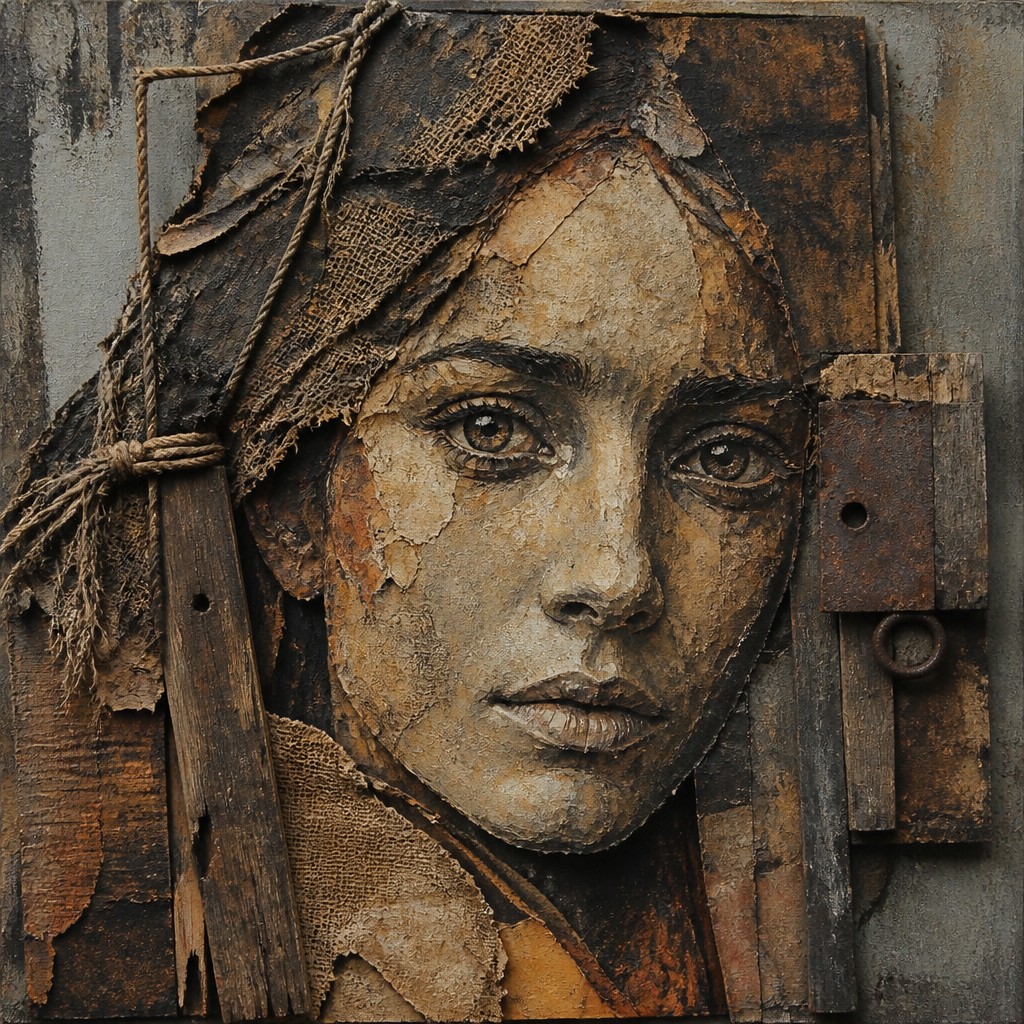 AI-generated
 AI-generated
 AI-generated
Arte Povera—Italian for "poor art"—emerged in Turin in 1967, when critic Germano Celant used the term to describe a loose group of artists working with deliberately humble, non-art materials: rags, soil, twigs, coal, rope, glass, newspaper, animal fat, and even live animals. Rather than a fixed style, it was a shared attitude: art should be made from the raw stuff of the physical world rather than from paint, bronze, or marble, and should register process, growth, and decay rather than fixed, finished form.
The look of Arte Povera varied enormously between artists but shared a vocabulary of contrasts—industrial versus organic, ancient versus modern, permanent versus perishable. Michelangelo Pistoletto set a heap of colorful rags against a plaster copy of a classical Venus statue. Jannis Kounellis filled a Rome gallery with twelve live horses. Mario Merz built igloo-shaped structures from glass, wire mesh, and stone, often ringed with neon spelling out numbers or words. Giuseppe Penone intervened in the growth of living trees, carving back a trunk to reveal the sapling hidden inside its rings.
Arte Povera rebelled against two targets at once. It pushed back against the commercial art system and the polished, expensive objects that fed the postwar gallery market, favoring materials with no market value. It also pushed back against the cool, industrial fabrication of American Minimalism, which Italian artists saw as sterile and disconnected from history, nature, and the body. In its place, Arte Povera offered materials with texture, smell, weight, and a sense of time passing—works that could wilt, rust, or grow.
Centered in Turin around galleries and dealers who championed the young artists, the movement quickly drew international attention through exhibitions in Italy, Germany, and beyond. It matters because it opened sculpture to virtually any material and to process itself as subject matter, anticipating later interest in installation, ephemeral art, and art engaged with ecology. Its insistence on poverty as a creative resource rather than a limitation remains one of the most influential ideas to come out of postwar European art.
What defines Arte Povera
Humble, Everyday Materials
Works were built from rags, soil, coal, twigs, rope, glass, and other cheap or found substances rather than traditional art materials. The material's own history and physical properties were treated as part of the work's meaning.
Nature Versus Industry
Arte Povera frequently staged a tension between organic matter and industrial or manufactured elements—a tree trunk against steel, live plants against neon tubing—to dramatize the friction between the natural world and modern culture.
Process and Transformation
Many works were designed to change over time: living plants grew, ice melted, organic materials decayed. The artwork was understood as an ongoing process rather than a fixed, permanent object.
Classical References Undercut
Artists frequently invoked antiquity—plaster casts, marble, classical poses—only to juxtapose it with worthless contemporary debris, questioning the authority of art history and museum culture.
Installation Over Discrete Sculpture
Rather than isolated pedestal sculptures, works often filled and activated an entire room, using scale, live elements, or scattered arrangements to engage the whole gallery space.
Anti-Commercial Stance
By choosing valueless raw materials, artists deliberately resisted the market's preference for durable, sellable, easily photographed objects, aligning Arte Povera with contemporaneous Conceptual art's skepticism toward the commodity.
History
Arte Povera was named in 1967, when the young critic Germano Celant mounted the exhibition "Arte Povera – Im Spazio" at Galleria La Bertesca in Genoa and wrote a manifesto-like essay for the tendency he saw emerging among artists working mainly in Turin and Rome. Celant's term—"poor art"—described not poverty of ambition but a poverty of materials: an insistence on working with humble, unprocessed, or discarded substances rather than the traditional media of painting and bronze sculpture.
The artists Celant grouped together—Michelangelo Pistoletto, Jannis Kounellis, Mario Merz, Giovanni Anselmo, Giuseppe Penone, Alighiero Boetti, Luciano Fabro, Pino Pascali, and Marisa Merz among them—were mostly based in Turin and Rome and had been developing related ideas independently before the label arrived. Turin's status as Italy's industrial capital, home to Fiat, gave the work particular resonance: art made from rags and coal took on extra meaning in a city built on factory production.
Through the late 1960s and 1970s, Arte Povera artists exhibited together across Italy and increasingly in Germany, where dealers and curators embraced the movement alongside related tendencies like Conceptual art and Minimalism. Kounellis's 1969 installation of twelve live horses in a Rome gallery became one of the era's most discussed works, exemplifying the movement's willingness to use unconventional, even living, material. Mario Merz's igloo structures, begun around 1968, became a recurring motif across his career, read as both shelter and symbol of nomadic, non-industrial life.
Arte Povera never had a manifesto binding its artists to a single technique, and by the early 1980s its members had largely dispersed into independent, internationally recognized careers—Kounellis, Merz, and Pistoletto in particular became fixtures of major museum collections and biennials. The movement is generally considered to have run its course by 1980, but its influence persisted through its artists' continued production and through its lasting effect on how later generations thought about material, process, and installation.
Key works
| Work | Artist | Year | Why it matters |
|---|---|---|---|
| Venus of the Rags | Michelangelo Pistoletto | 1967 | A plaster reproduction of a classical Venus faces a mound of colorful fabric rags, staging Arte Povera's core contrast between art-historical permanence and disposable, everyday material. |
| Untitled (12 Horses) | Jannis Kounellis | 1969 | Twelve live horses tethered inside a Rome gallery, one of the movement's most radical uses of a living, unownable material as sculpture. |
| Igloo di Giap | Mario Merz | 1968 | An early example of Merz's recurring igloo structures, built from metal mesh and clay with a neon-lit slogan, fusing shelter, nomadism, and language. |
| Untitled (Structure that Eats) | Giovanni Anselmo | 1968 | A granite block held in tension by a smaller stone wedged against a fresh head of lettuce, which had to be replaced as it wilted—process and decay built directly into the sculpture's structure. |
How to make art in this style
Working in the Arte Povera Spirit
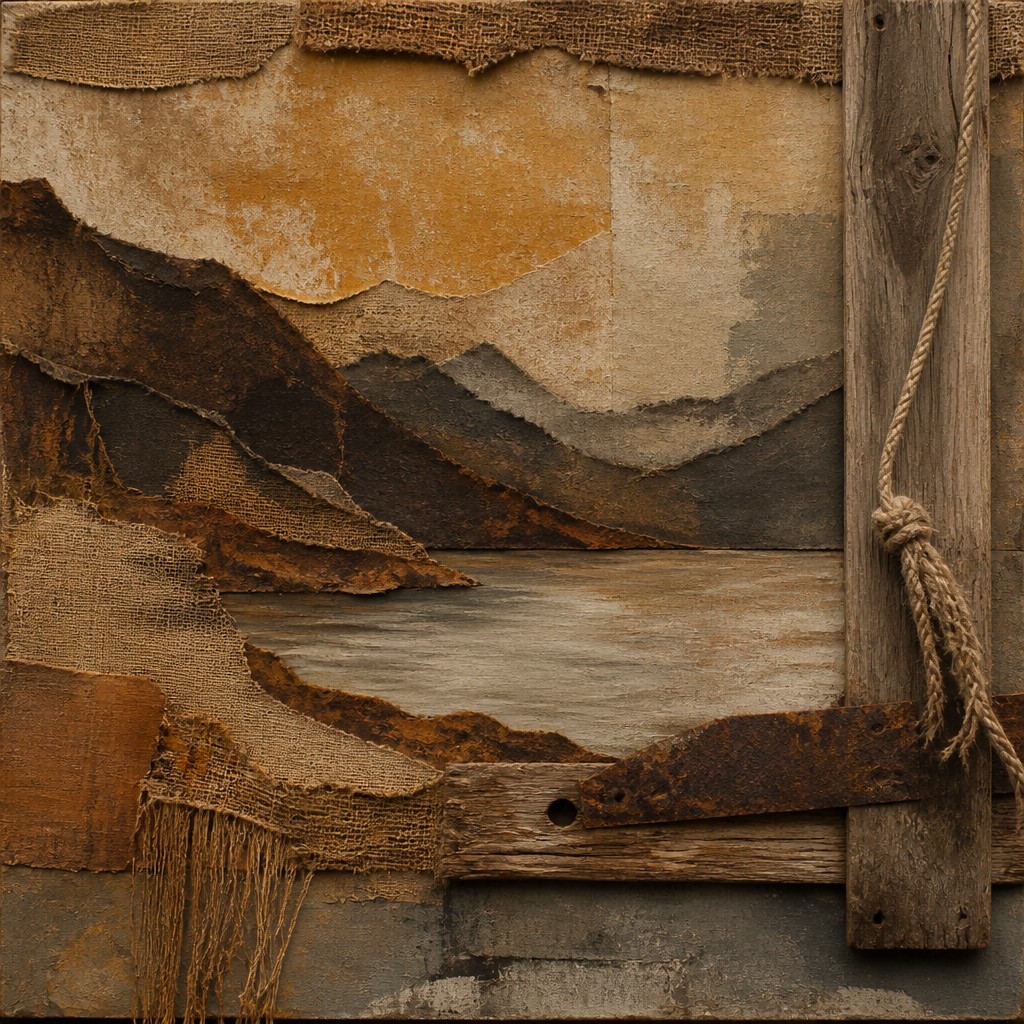
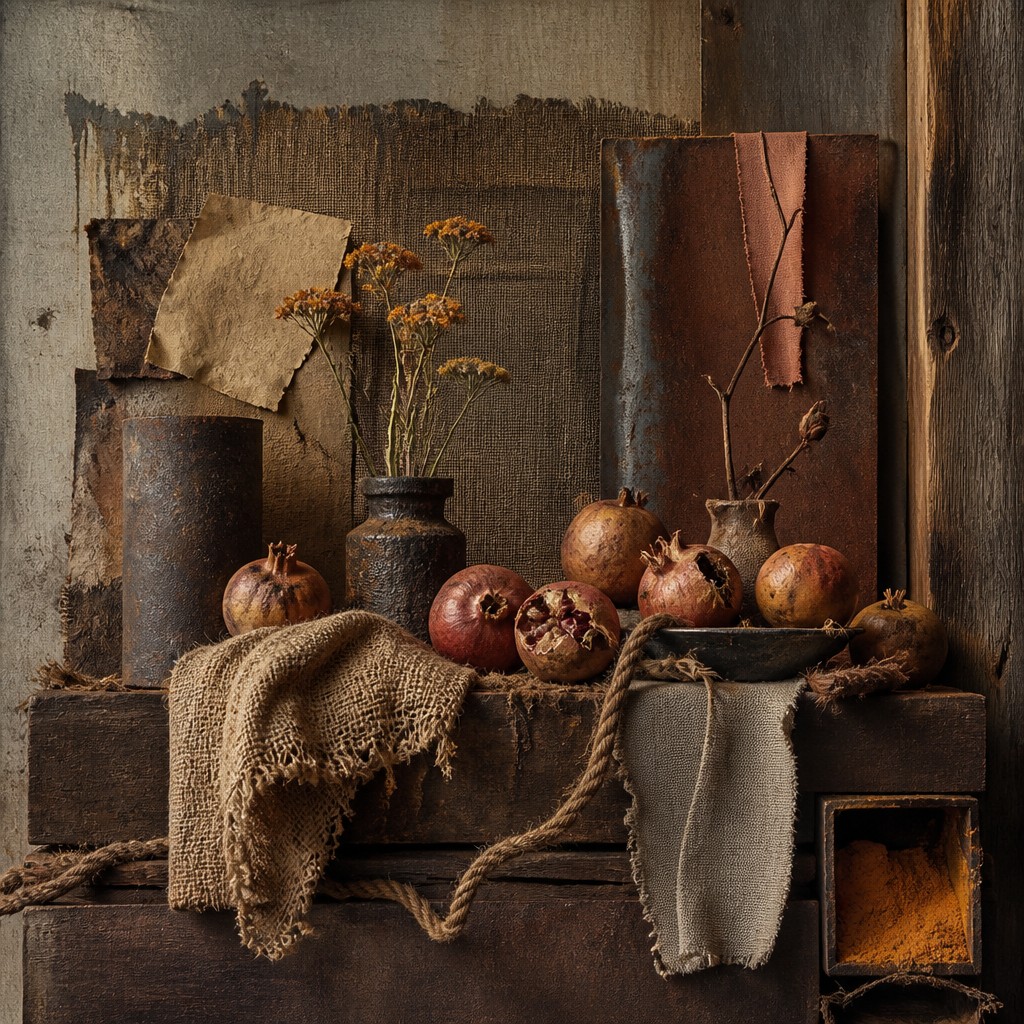
Arte Povera is less a look than a set of material choices, so begin by rejecting conventional art supplies. Work with what is cheap, found, or organic: soil, rope, rags, coal, twigs, glass, wire mesh, dried plants, scrap metal. Let the material keep its own texture, smell, and history rather than disguising it—rust should look like rust, fabric should look worn.
Build compositions around contrast rather than harmony: pair something ancient or classical-looking with something disposable, or set an organic material directly against an industrial one—a living plant next to steel mesh, coal against glass. This friction between nature and culture, old and new, is the movement's central visual idea.
Think in terms of installation rather than a single object on a pedestal. Let the work spread across the floor, lean against a wall, or fill a corner of the room, engaging the whole space the way Arte Povera artists did rather than presenting a tidy, framed composition.
Where possible, build in change over time: use materials that will wilt, rust, dry out, or shift, and treat that transformation as part of the finished work rather than a flaw to prevent. Photograph or document the piece at intervals if decay is part of its meaning.
Keep the palette to the natural colors of the materials themselves—browns, greys, rust, straw, charcoal—rather than applied paint. Avoid polish, symmetry, and finish; a rough, provisional quality is closer to the movement's spirit than a highly resolved, refined surface.
Legacy
Arte Povera permanently expanded what sculpture could be made of, establishing raw, perishable, and found materials as legitimate artistic media rather than a novelty. Its influence runs through later installation art, process art, and ecologically minded practices that use organic or industrial waste material to comment on consumption and the natural world.
The movement's Turin and Rome-based artists went on to become fixtures of major international museums and biennials, and their material vocabulary—rust, soil, glass, neon, living plants—remains a recognizable visual language in contemporary sculpture and installation. Its refusal to separate "high" art materials from ordinary, even worthless, matter anticipated much of today's interest in art made from reclaimed and unconventional substances.
Arte Povera also helped establish Italy, and Turin in particular, as a serious center of postwar contemporary art alongside New York and Paris, a status the city retains through its museums and galleries dedicated to the movement's legacy. For contemporary artists working with found or organic material, staging tension between nature and industry, or building room-filling installations rather than discrete objects, Arte Povera remains a foundational reference point.
Frequently asked questions
What is Arte Povera?
Arte Povera, Italian for "poor art," was a movement of Italian artists in the late 1960s and 1970s who made sculpture and installation from humble, everyday materials like rags, soil, and coal. It rejected the polish of traditional art materials and the postwar art market in favor of raw, process-based work.
Who coined the term Arte Povera?
The Italian critic Germano Celant coined the term in 1967 to describe a group of Turin- and Rome-based artists working with unconventional, low-value materials. His writing and exhibitions gave the loosely connected artists a shared identity.
What materials did Arte Povera artists use?
Artists worked with rags, soil, twigs, coal, rope, glass, newspaper, neon tubing, and occasionally live animals or plants. The choice of material—its texture, cost, and organic or industrial origin—was itself central to each work's meaning.
How does Arte Povera differ from Minimalism?
Both movements favored simple forms and non-traditional materials, but Minimalism used precise, industrially fabricated geometric shapes, while Arte Povera embraced rough, organic, and often decaying materials with visible history and imperfection. Italian artists saw Minimalism's polish as cold compared to their own material-driven, process-based work.
Is Arte Povera still influential today?
Yes. Its use of found, organic, and industrial materials influenced later installation and process art, and its material vocabulary remains common in contemporary sculpture that addresses ecology, consumption, and impermanence.