 Art
Art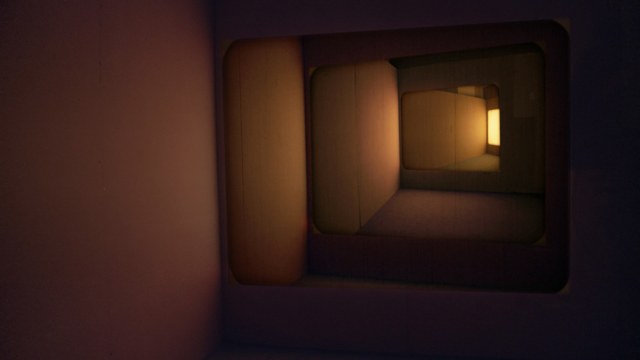
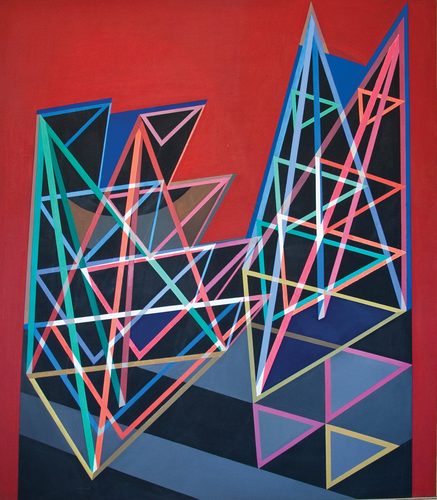
"Ontology", 2011-2012. Image: Galerie Loevenbruck · CC BY-SA 3.0 · Wikimedia Commons, accessed 2026-08-04
Video Art began in the early-to-mid 1960s, almost as soon as portable video technology became available to artists outside broadcast television studios. Where earlier artists could only critique or reference television from outside, video art let them work directly with the medium's actual signal, hardware, and live-feedback capabilities—treating the television screen itself as a canvas and the moving electronic image as sculptural material.
Nam June Paik, a classically trained composer connected to the Fluxus network, is widely credited as the field's founding figure. Beginning in 1963, he manipulated television sets with magnets and modified circuitry, distorting and rearranging their images, and by 1965 he had also acquired one of Sony's first consumer video recorders—the more famous, truly portable Portapak followed only in 1967—letting him record and manipulate broadcast signals in real time outside any studio's control. His later work built sculptural installations from stacked, altered televisions, and single-channel tapes that remixed found broadcast footage into rapid, collage-like sequences.
The medium diversified quickly beyond Paik's technological playfulness. Artists used video's unique capacity for instant playback, closed-circuit feedback, and durational recording to explore perception, the body, and time in ways film and photography could not. Bruce Nauman used video corridors and delayed feedback to disorient viewers' sense of their own movement. Joan Jonas incorporated video into performance, using the monitor as both mirror and alter ego. Bill Viola, making video from the early 1970s onward, used extreme slow motion and elemental imagery—water, fire, birth, death—to give video a meditative, almost devotional quality far removed from broadcast television's speed.
Video art rebelled against both painting's static, singular object and commercial television's role as a one-way, corporate-controlled mass medium. By seizing the same technology television used, artists could critique broadcast media's manipulation and passivity from the inside, while also exploring genuinely new territory—real-time feedback, closed-circuit installation, extreme duration—unavailable to any earlier art form. It matters because it established the moving electronic image as a serious, museum-collected artistic medium and laid the technical and conceptual groundwork for the video, projection, and screen-based installation art that dominates much of contemporary museum practice today.
What defines Video Art
Manipulated Broadcast Signal
Early video artists physically altered the television signal itself—using magnets, synthesizers, or feedback loops—to distort, color, or abstract the image, treating the electronic signal as raw material rather than a neutral window onto reality.
Closed-Circuit and Feedback Installation
Cameras and monitors were often wired together live within a gallery, so visitors could see themselves on a delay, from an odd angle, or looped infinitely, implicating the viewer directly in the work.
Multi-Monitor and Sculptural Installation
Video was frequently built into physical installations—stacked or arranged television sets, sculptural monitor casings—turning the screen into a three-dimensional object rather than a flat image alone.
Duration and Real Time
Works often unfolded over extended, sometimes unedited real time, testing viewers' patience and attention in ways sharply different from the fast cutting of broadcast television and film.
Appropriated Television Footage
Found broadcast material—news, advertisements, entertainment—was frequently recorded, sampled, and re-edited into new sequences, critiquing mass media by remixing its own imagery.
Slow Motion and Elemental Imagery
Later video artists used extreme slow motion and recurring natural or bodily imagery—water, fire, birth—to give the medium a meditative, almost painterly quality distinct from television's rapid pace.
History
Video Art became possible as an artistic medium in the early-to-mid 1960s. Nam June Paik, already active in the Fluxus network, began manipulating television sets with magnets and modified circuitry in 1963, exhibiting his prepared televisions at Galerie Parnass in Wuppertal. He brought that work to New York in 1965, showing the magnet-distorted Magnet TV at Galeria Bonino, and around the same time acquired one of Sony's first consumer video recorders—a CV-2000-series unit, predating the more famous, truly portable Portapak, which followed only in 1967—letting him record and manipulate footage outside any broadcast studio's control.
Through the late 1960s and 1970s, video spread quickly among artists connected to Fluxus, performance, and conceptual circles, who valued the format's low cost, instant playback, and independence from the film industry's expensive processing and equipment. Bruce Nauman used video to record and disorient perceptions of his own studio actions and, in works like his video corridors, the viewer's physical movement. Joan Jonas incorporated live and recorded video into her performances beginning around 1970, using the monitor's delay and mirroring effects to double and fragment her own image. Vito Acconci, Peter Campus, and others experimented extensively with closed-circuit installation, wiring cameras and monitors together live within gallery spaces.
Public broadcast television also became a venue: Paik and others produced video works specifically for television broadcast, blurring the line between avant-garde art and mass media further. Through the 1980s and 1990s, video art matured technically alongside improving consumer and professional video technology, while artists like Bill Viola developed slower, more sustained, spiritually inflected approaches using high-quality slow-motion footage of elemental and bodily imagery.
Video art never had a defined endpoint; it evolved directly into the projection-based, multi-channel, and digital installation art that dominates much of contemporary museum practice today, with the original single-channel tape format giving way to increasingly large-scale, high-definition, and interactive video installation over subsequent decades.
Key works
| Work | Artist | Year | Why it matters |
|---|---|---|---|
| TV Buddha | Nam June Paik | 1974 | A statue of Buddha positioned to watch a live closed-circuit video feed of itself on a television screen, a defining image of video art's engagement with looped, self-reflective technology. |
| Global Groove | Nam June Paik | 1973 | A rapid-fire collage of found and original video footage produced for public television, showcasing early video's ability to remix broadcast imagery into a new artistic form. |
| Live Taped Video Corridor | Bruce Nauman | 1970 | A narrow physical corridor fitted with cameras and monitors that showed visitors a delayed, disorienting view of themselves as they walked through it. |
| Vertical Roll | Joan Jonas | 1972 | A performance recorded with the television's vertical hold deliberately unsynced, producing a rolling, fragmented image that became one of the era's most studied early video works. |
| The Passing | Bill Viola | 1991 | A black-and-white, extremely slow video work weaving personal and elemental imagery—water, birth, sleep, death—exemplifying video art's later turn toward meditative, durational imagery. |
How to make art in this style
Working in the Video Art Tradition
Video art rewards experimentation with the medium's own properties rather than treating the camera as a simple recording device. Start by considering what makes video different from film or photography: instant playback, the possibility of live feedback between a camera and a monitor, and the physical presence of a screen as an object in space.
If working with live feedback, set up a camera and monitor in the same room and experiment with delay, angle, and looping—pointing a camera at its own monitor, or offsetting playback by a few seconds, can implicate the viewer directly in the work in ways recorded footage alone cannot.
Consider duration deliberately. Video art has historically used both extremes effectively: real, unedited time that tests a viewer's patience and attention, or extreme slow motion that turns ordinary movement into something closer to painting. Decide early which register suits the work, rather than defaulting to conventional edited pacing.
If incorporating found footage, treat broadcast or archival material as raw signal to be re-cut, layered, or distorted rather than simply quoted; early video art's power often came from visibly reworking existing media rather than presenting it untouched.
Think about how the work will be shown, not just recorded. A single monitor, a stack of screens, or a large projection each changes the work's meaning and physical relationship to the viewer. Keep sound intentional rather than incidental, since it shapes duration and mood as strongly as the image itself. Favor conceptual clarity—one strong idea about time, perception, or media—over technical spectacle for its own sake.
Legacy
Video Art established the moving electronic image as a serious artistic medium, laying the direct technical and conceptual foundation for the projection-based, multi-channel, and digital installation work that fills a large share of contemporary museum and biennial programming today. Its early interest in closed-circuit feedback, real-time manipulation, and appropriated broadcast footage anticipated much of today's engagement with screens, surveillance, and mass media imagery in contemporary art.
Nam June Paik's technological playfulness and Bill Viola's meditative, slow-durational approach represent two enduring poles the medium continues to draw on—one delighting in manipulating and remixing electronic signal and broadcast imagery, the other using video's duration to slow perception down toward something closer to painting or ritual. Video installation, now often at large architectural scale with multiple synchronized screens, remains one of contemporary art's dominant formats, a direct descendant of the modest, single-monitor works artists first made with portable 1960s equipment.
Beyond the museum, video art's early techniques—signal manipulation, feedback loops, appropriated footage—prefigured much of today's music video, VJ culture, and digital glitch aesthetics. Its foundational claim, that the moving electronic image deserved the same serious artistic attention as painting or sculpture, is now essentially unquestioned across contemporary art institutions.
Frequently asked questions
What is Video Art?
Video Art is an art form that uses video technology—cameras, monitors, and the television signal itself—as its primary medium, emerging in the mid-1960s once portable video equipment became available to artists outside broadcast studios.
Who is considered the founder of Video Art?
Nam June Paik is widely credited as the founding figure of video art, first exhibiting magnet-manipulated television sets at Galerie Parnass in Wuppertal in 1963, then bringing that work to a New York gallery in 1965 around the time he acquired one of Sony's first consumer video recorders.
How is Video Art different from film?
Video art typically emphasizes the specific properties of the television signal and monitor—instant playback, live feedback, screen-as-object—rather than film's photochemical process and cinema-style projection and narrative conventions. Many early video works also used real, extended, or looped time rather than the edited pacing typical of narrative film.
What technology made Video Art possible?
Sony's mid-1960s consumer video recorders—beginning with 1965's CV-2000-series units, followed by the truly portable Portapak in 1967—gave artists independent access to video technology previously confined to expensive broadcast studios, directly enabling the movement's emergence.
Is Video Art still made today?
Yes. Video art evolved into the large-scale projection and multi-channel digital installation work now common in contemporary museums and biennials, remaining one of the most actively practiced mediums in contemporary art.