 Art
Art AI-generated
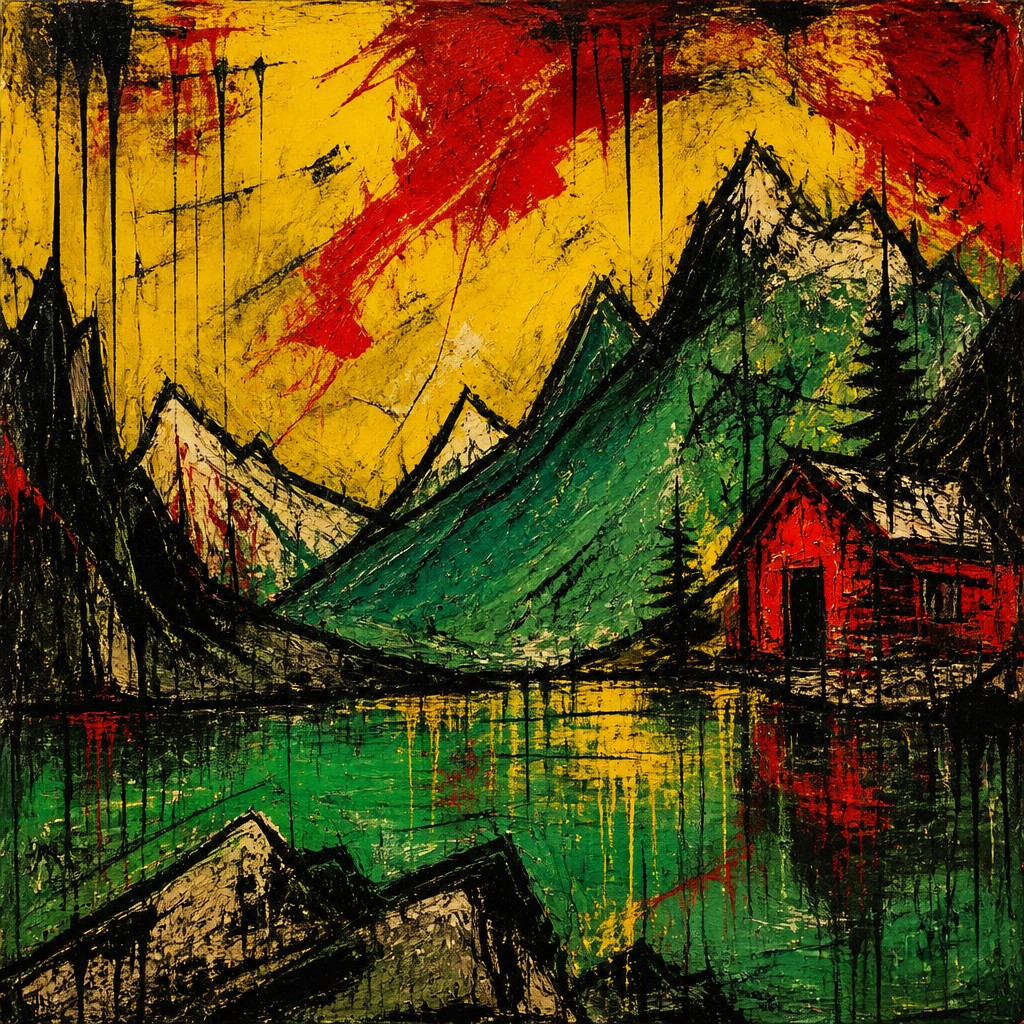 AI-generated
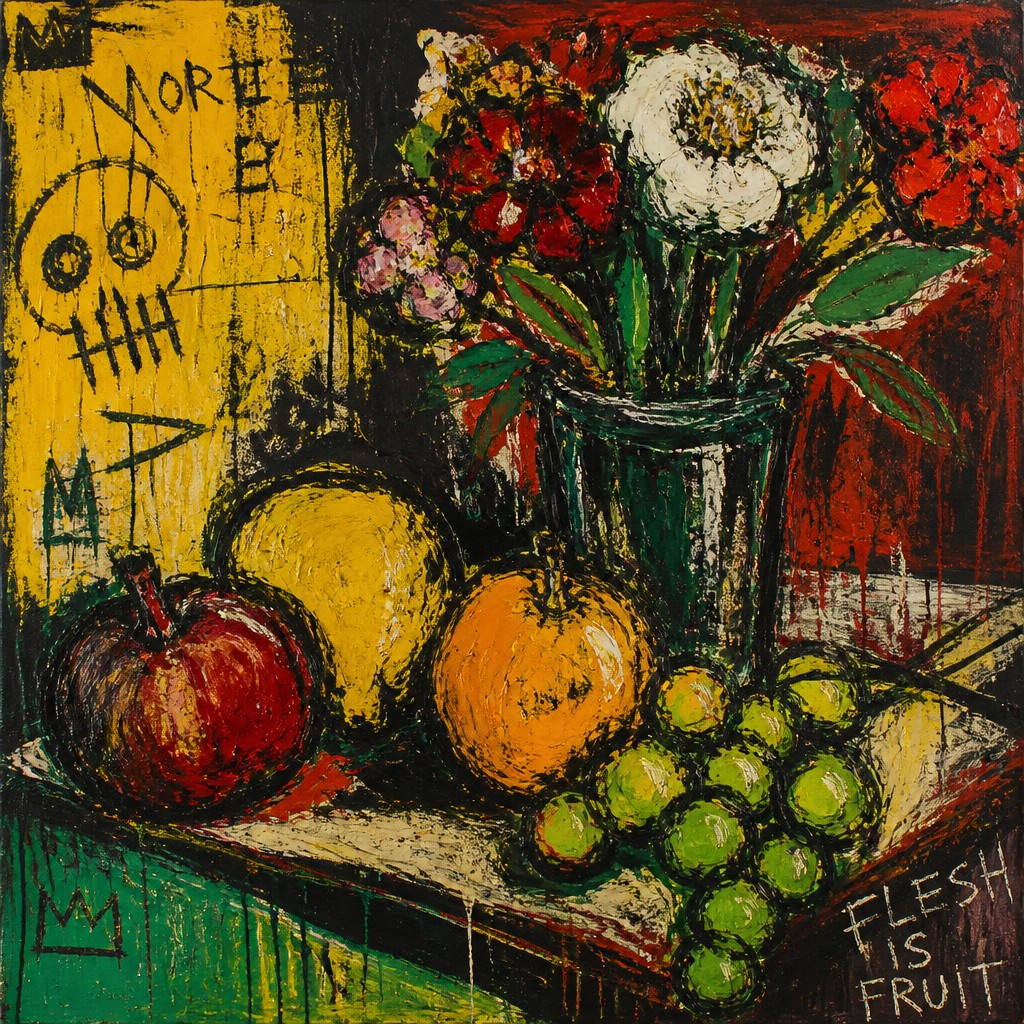 AI-generated
Transavanguardia was the Italian counterpart to the broader international Neo-Expressionist revival of figurative painting, named and defined in 1979 by the critic Achille Bonito Oliva, who identified a group of young Italian painters returning to personal, historical, and mythological imagery after a decade dominated by the spare, conceptually driven Arte Povera movement. The name itself signals the group's stance: rather than pushing forward toward a new avant-garde style, they proposed moving "beyond" the very idea of linear avant-garde progress, freely quoting and recombining past art-historical styles instead.
Visually, Transavanguardia painting is rich, painterly, and deliberately eclectic. Unlike some Neo-Expressionist strands defined by a single shared visual language, Transavanguardia's core painters — most prominently Sandro Chia, Francesco Clemente, and Enzo Cucchi — each developed distinct, idiosyncratic personal styles united more by attitude than by a common formula. Common threads include lush, often warm color, robust or fantastical figuration, mythological and art-historical reference, and personal symbolism that resists straightforward narrative reading. Paintings frequently mix registers freely, combining classical, folkloric, and contemporary imagery within a single canvas.
The movement rebelled directly against Arte Povera, the dominant Italian art tendency of the preceding decade, which had emphasized humble, "poor" materials, conceptual rigor, and a deliberate suspicion of traditional painting and heroic authorship. Transavanguardia painters reasserted painting itself, individual authorship, pleasure in color and paint handling, and openness to myth and history as legitimate contemporary subjects, positions Arte Povera had largely treated as exhausted or suspect.
Transavanguardia matters as both an Italian art-historical development and as part of the larger international story of painting's return in the late 1970s and 1980s. It gave Italian contemporary art fresh international visibility through major exhibitions and, through Francesco Clemente's move to New York, direct connection to the American downtown scene, where he collaborated with figures including Basquiat and Warhol. The movement's insistence on eclectic quotation and personal mythology also anticipated broader postmodern art's comfort with mixing historical styles freely rather than pursuing a single linear progression.
What defines Transavanguardia
Eclectic mixing of myth and personal symbolism
Paintings combined classical mythology, folklore, and private symbolic imagery within single works, resisting straightforward narrative interpretation in favor of layered, often ambiguous meaning.
Rich, painterly color and surface
Works favored lush, warm, often saturated color handled with visible painterly pleasure, a direct contrast to Arte Povera's austere, unpainted materials.
Deliberate return to figuration
After Arte Povera's conceptual and often non-representational approach, Transavanguardia reasserted the human figure, frequently rendered as robust, exaggerated, or fantastical rather than naturalistic.
Free quotation of art-historical styles
The movement's name reflects its central strategy of freely borrowing and recombining past styles, from classical and Renaissance sources to folk imagery, rather than pursuing a single new formal language.
Individual, idiosyncratic styles among core artists
Unlike movements defined by a shared visual formula, each central Transavanguardia painter developed a distinct personal style, unified by attitude and shared exhibition history rather than common technique.
Large-scale, ambitious canvases and fresco-scale cycles
Several artists, notably Clemente, worked at mural or fresco scale, reasserting painting's capacity for ambitious, room-filling statement after a decade in which such scale had fallen out of critical favor.
History
Transavanguardia was named and defined in 1979 by Italian art critic Achille Bonito Oliva, who identified a group of young painters — principally Sandro Chia, Francesco Clemente, and Enzo Cucchi, with Mimmo Paladino and Nicola De Maria also frequently associated with the group — as representing a decisive break from the conceptual austerity of Arte Povera, the dominant Italian art tendency since the mid-1960s. Bonito Oliva's critical framing gave the loosely connected painters a shared identity and international platform relatively quickly.
The movement gained rapid international visibility through major group exhibitions in the early 1980s, including presentations at documenta 7 in Kassel in 1982 and other international surveys that grouped Transavanguardia alongside German and American Neo-Expressionist painters as evidence of a broader return to expressive figurative painting. This international framing helped Transavanguardia artists find gallery representation and collector interest well beyond Italy relatively quickly after the movement's naming.
Francesco Clemente's relocation to New York in the early 1980s connected Transavanguardia directly to the American downtown art scene; he worked and exhibited alongside figures including Jean-Michel Basquiat and Andy Warhol, at one point collaborating with them on joint paintings, embedding the Italian movement within the broader transatlantic Neo-Expressionist moment rather than keeping it a purely national development.
Like its German and American counterparts, Transavanguardia's critical and commercial prominence was closely tied to the 1980s art market boom, and it faced similar criticism by the decade's end that its market success had outpaced sustained critical substance. By the early 1990s, the movement's organized identity had faded as a distinct critical category, though its core artists continued significant individual careers, and its central strategy of eclectic historical quotation fed directly into the broader postmodern sensibility that shaped subsequent contemporary art.
Key works
| Work | Artist | Year | Why it matters |
|---|---|---|---|
| Water Bearer | Sandro Chia | 1981 | A painting of a robust, monumental male figure carrying water, characteristic of Chia's exaggerated, mythic figuration. |
| The Idleness of Sisyphus | Sandro Chia | 1981 | A large figurative painting invoking classical myth through Chia's characteristically inflated, muscular figure style. |
How to make art in this style
Working in a Transavanguardia sensibility today
Start from myth, personal symbolism, or art-historical quotation rather than direct observation, and feel free to combine references from different periods and cultures within a single work rather than committing to one visual source.
Palette. Favor rich, warm, painterly color handled with visible enjoyment of the medium — terracottas, ochres, deep blues, and warm golds work well together, echoing the movement's Mediterranean and classical undertones.
Figure and subject. Return the human figure to the center of the composition, rendered with exaggeration, robustness, or fantastical distortion rather than strict naturalism. Draw on classical mythology, folklore, and private symbolic imagery, letting meaning stay layered and ambiguous rather than resolving into a single clear narrative.
Technique. Work with visible painterly brushwork rather than a smooth, mechanical finish; the movement values evident pleasure in paint handling as part of its rebellion against a preceding decade's conceptual austerity. Consider working at large or mural scale, treating the canvas as a space for ambitious, room-filling statement.
Composition. Allow multiple pictorial registers to coexist — a classical figure alongside a folkloric motif, for instance — without forcing them into strict logical or narrative unity. Individual, idiosyncratic composition is more characteristic of the movement than any single shared formula.
Overall approach. Treat the entire history of art as available source material to recombine freely, prioritizing personal voice and painterly ambition over adherence to any single school or period.
Legacy
Transavanguardia gave Italian contemporary painting renewed international visibility after a decade in which Arte Povera's conceptual, anti-painting stance had dominated critical attention, and it demonstrated that individual authorship and painterly pleasure could return as serious contemporary positions without abandoning intellectual ambition. Francesco Clemente's ongoing international career, including his sustained engagement with New York's art scene, kept the movement's concerns visible well beyond its original Italian context and 1980s timeframe.
The movement's central strategy — freely quoting and recombining historical and mythological imagery rather than pursuing a single linear stylistic progression — fed directly into the broader postmodern sensibility that shaped much subsequent contemporary art, which similarly treats art history as an open archive of reusable material rather than a chain of movements to be superseded. Transavanguardia is also remembered, alongside German and American Neo-Expressionism, as part of the broader 1980s story of painting's market-driven return to prominence, a case study still referenced in discussions of how critical and commercial forces interact in shaping an art movement's reception.
Frequently asked questions
What does Transavanguardia mean?
The Italian term translates roughly to "beyond the avant-garde," reflecting the movement's stance of moving past linear avant-garde progress by freely quoting and recombining historical styles instead.
Who founded Transavanguardia?
The critic Achille Bonito Oliva named and defined the movement in 1979, identifying painters including Sandro Chia, Francesco Clemente, and Enzo Cucchi as its core figures.
How is Transavanguardia different from Neo-Expressionism?
Transavanguardia is specifically the Italian strand of the broader international Neo-Expressionist return to figurative painting, sharing its rejection of conceptual austerity but developing a distinct emphasis on myth, personal symbolism, and eclectic historical quotation.
What did Transavanguardia react against?
It reacted against Arte Povera, the dominant Italian movement of the preceding decade, which emphasized humble materials and conceptual rigor over traditional painting and individual authorship.
Who are the main Transavanguardia artists?
Sandro Chia, Francesco Clemente, and Enzo Cucchi are the movement's most prominent figures, with Mimmo Paladino and Nicola De Maria also frequently included in the core group.
When was Transavanguardia active?
The movement is generally dated from its 1979 naming through around 1990, though its core artists continued significant individual careers well beyond that period.