 Art
Art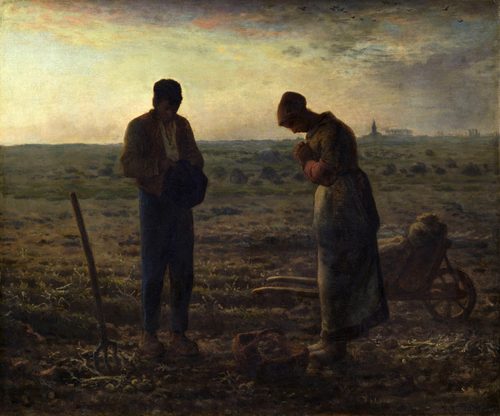
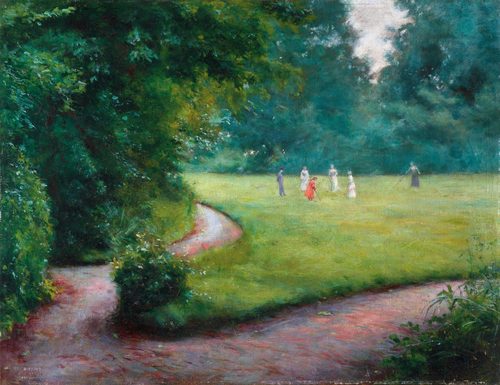
The Barbizon School paints the French countryside with quiet naturalism and a muted, earthy palette; Impressionism paints fleeting light and modern life with broken color and visible brushstrokes. Barbizon painters gathered in the village of Barbizon near the Forest of Fontainebleau starting around 1830, sketching outdoors but typically finishing their canvases in the studio, prioritizing mood and tonal harmony over blazing color. Impressionism emerged in Paris around 1860, and painters like Monet and Pissarro — who studied Barbizon landscapes closely — pushed the practice further, completing paintings entirely outdoors and using bright, unmixed color to capture a specific instant of light rather than a general mood. Barbizon stayed rural and contemplative; Impressionism expanded into cafes, boulevards, and train stations alongside landscape, and treated the fleeting moment, not enduring atmosphere, as the real subject.
Barbizon School vs. Impressionism at a glance
| Barbizon School | Impressionism | |
|---|---|---|
| Years | 1830–1870 | 1860–1890 |
| Origin | Barbizon, France | Paris, France |
| Palette | Muted, earthy tones — browns, greens, soft grays dominate. | Bright, often unmixed color; pure hues set side by side. |
| Finish | Studies made outdoors, paintings typically completed in the studio. | Paintings often completed entirely outdoors, in one sitting. |
| Subject matter | Rural landscape, forests, farmland, the working countryside. | Landscape plus modern urban and leisure scenes — cafes, rivers, streets. |
| Brushwork | Softer, blended strokes building tonal atmosphere. | Short, broken, visible strokes that read as separate dabs. |
| Light | General, mood-driven light rather than a captured instant. | A specific, fleeting moment of light and weather. |
| Mood | Quiet, contemplative, rooted in rural tradition. | Immediate, modern, alert to movement and change. |
How to tell them apart
If the scene is a quiet forest or farmland rendered in soft browns and greens, with a hushed, timeless mood, you're likely looking at the Barbizon School — think Théodore Rousseau or Jean-François Millet. If the colors are bright and broken into visible dabs, and the subject captures one fleeting moment — sunlight flickering on water, smoke drifting from a train — that's Impressionism. Barbizon paintings feel finished and composed; Impressionist ones feel caught in motion, almost sketch-like even when complete.
What they share
Impressionism grew directly out of Barbizon practice: both movements insisted on working from nature rather than imagination, and Impressionist painters studied and admired Barbizon landscapes before pushing outdoor painting further. Both also elevated landscape itself, once considered a minor genre, into serious, ambitious subject matter worthy of major exhibitions.
Try both
Settle it yourself — generate the same subject in each style and compare the results.
Frequently asked questions
Did Impressionism grow out of the Barbizon School?
Yes. Impressionist painters studied Barbizon landscape practice closely and adopted its commitment to painting from nature, then pushed further by finishing works entirely outdoors and prioritizing fleeting light over tonal mood.
Which came first, Barbizon School or Impressionism?
The Barbizon School, forming around 1830 in the village of Barbizon near Fontainebleau. Impressionism followed roughly thirty years later, emerging in Paris around 1860.
Is Barbizon painting the same as Impressionism?
No. Barbizon paintings are typically studio-finished with muted, tonal color, while Impressionist paintings are often completed outdoors in bright, broken color capturing a specific moment of light.