 Art
Art
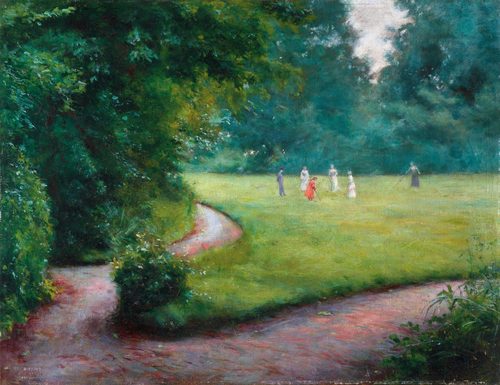
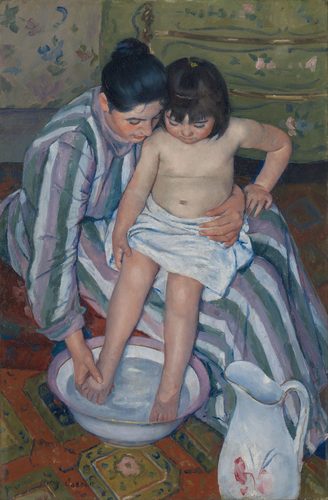
Realism depicts everyday subjects with sober, finished detail; Impressionism captures the fleeting sensation of light and atmosphere with loose, visible brushstrokes, often abandoning finish altogether. Realism took hold in France around 1840, led by Gustave Courbet's insistence on painting ordinary life without idealization. Impressionism grew out of it two decades later in Paris, as painters like Claude Monet and Camille Pissarro pushed Realism's honesty toward something more radical: recording not just what a scene contained but how it looked in a single instant of shifting light. Impressionists worked outdoors, broke color into small dabs, and left edges soft to suggest movement and atmosphere rather than solid form. Realism still valued careful drawing and a finished surface; Impressionism treated the sketch-like mark itself as the finished painting, a shift contemporary critics initially mocked as unfinished and careless.
Realism vs. Impressionism at a glance
| Realism | Impressionism | |
|---|---|---|
| Years | 1840–1880 | 1860–1890 |
| Origin | France | Paris, France |
| Brushwork | Smooth, blended strokes; surface built toward a finished look. | Short, visible, broken strokes left unblended on the canvas. |
| Subject matter | Peasants, laborers, and social scenes shown with narrative weight. | Parks, rivers, cafes, and fleeting moments of modern leisure. |
| Light | Studio-controlled or naturalistic but stable, consistent lighting. | Captured at a specific moment, changing and often outdoor. |
| Setting | Often painted or finished indoors from preparatory studies. | Painted outdoors, on site, directly in front of the subject. |
| Color | Local color kept true; shadows rendered in browns and grays. | Shadows tinted with color; pure hues placed side by side. |
| Purpose | To document social reality with narrative or moral weight. | To record a fleeting visual impression, not tell a story. |
How to tell them apart
If the paint looks smooth and the scene tells a clear social story — laborers, a funeral, a plain interior — you're looking at Realism. If the paint looks like a flurry of loose dabs, edges dissolve, and the subject is a haystack, a train station, or sunlight on water, that's Impressionism. Step close: Realist surfaces stay legible up close, while Impressionist canvases often resolve into a scene only from a few steps back. Realism wants you to read the subject; Impressionism wants you to feel the light.
What they share
Impressionism grew directly out of Realism's rejection of academic idealism, and both movements insisted on painting the world as it actually appeared rather than as myth or allegory. Several Impressionists, including Monet and Pissarro, admired Courbet and began their careers steeped in Realist honesty before pushing further toward capturing fleeting perception itself.
Try both
Settle it yourself — generate the same subject in each style and compare the results.
Frequently asked questions
Did Impressionism come from Realism?
Yes. Impressionism grew directly out of Realism's insistence on painting real, contemporary subjects, but pushed further, prioritizing the fleeting sensation of light and atmosphere over finished detail and social narrative.
Which came first, Realism or Impressionism?
Realism, emerging in France around 1840. Impressionism followed roughly twenty years later, taking shape in Paris in the 1860s as younger painters extended Realist honesty toward capturing momentary light.
Is Impressionism just unfinished Realism?
No — its loose brushwork was a deliberate choice to capture fleeting light and movement, not a failure to finish. Critics mocked it as unfinished at first, but it represented a distinct artistic aim.