 Art
Art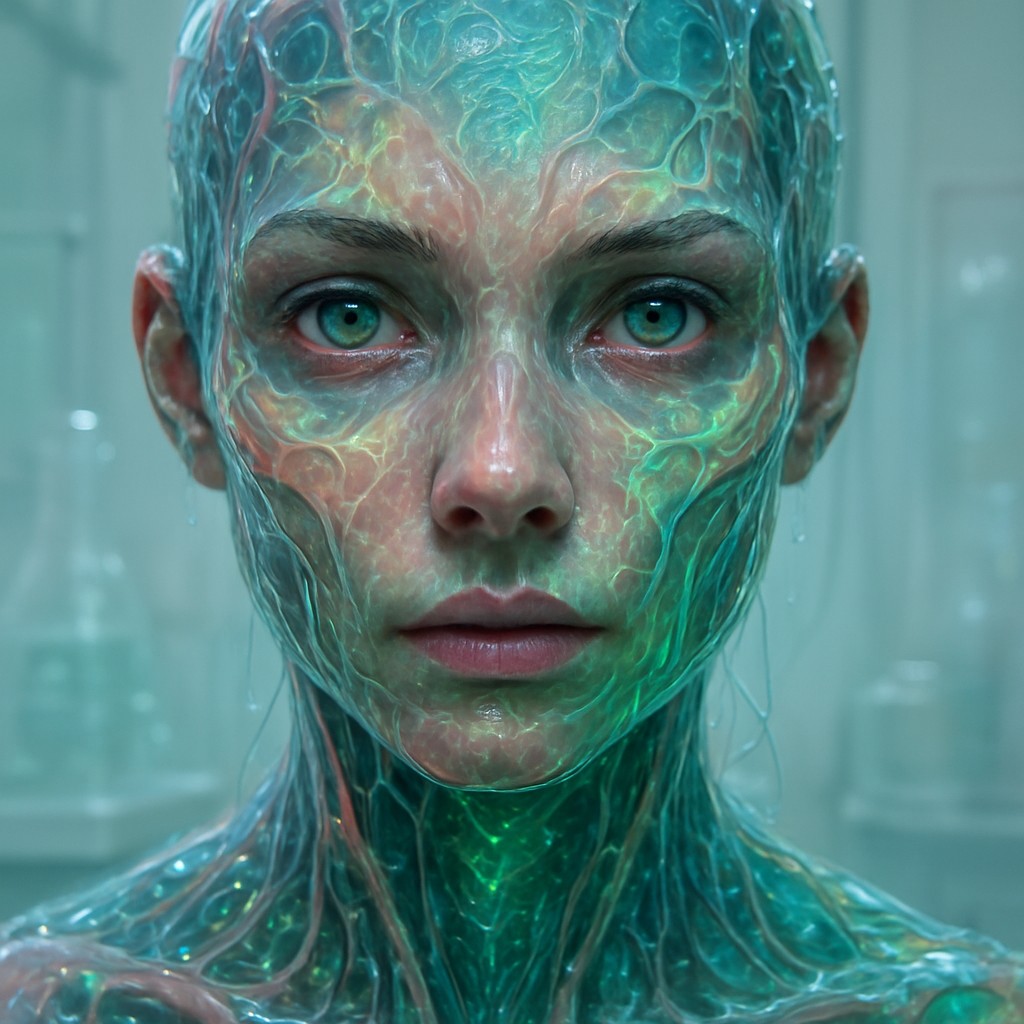 AI-generated
 AI-generated
 AI-generated
Bio Art is a contemporary art practice that uses living systems—bacteria, cells, tissue, plants, and genetic material—as its primary medium, rather than depicting biological subjects through paint or photography. Artists working in this mode may genetically modify organisms, grow tissue in laboratory bioreactors, cultivate bacterial colonies as living images, or collaborate directly with scientists and research institutions to produce work that exists, quite literally, as biology.
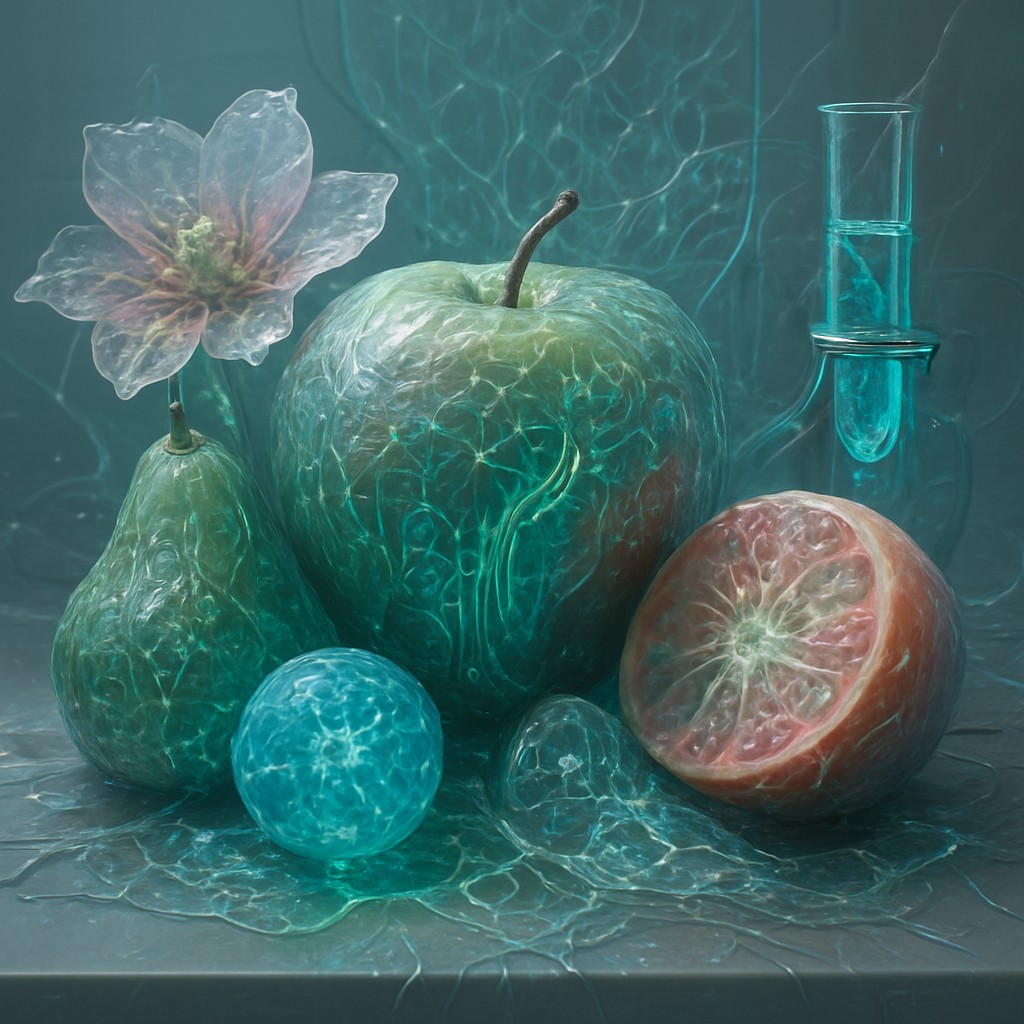
Visually and physically, bio art can look startlingly unlike conventional art: petri dishes of engineered bacteria displayed under gallery lighting, an animal bred to fluoresce green under blue light, sculptures grown from living tissue cultured on biodegradable scaffolding, or a flower whose veins carry a gene borrowed from a human being. Many works exist only briefly, requiring the same climate-controlled, sterile conditions as a laboratory, and some cannot be legally or ethically exhibited in every venue, making documentation and photography central to how the movement circulates.
The field emerged in the 1990s as genetic engineering, DNA sequencing, and tissue culture techniques—once confined to research labs—became more accessible and comprehensible to the public. Artists absorbed the vocabulary and tools of biotechnology directly into their practice, often working inside university science departments or dedicated research-art hybrid labs, most notably SymbioticA at the University of Western Australia, founded in 2000 as one of the first art laboratories embedded within a biology department.
Bio Art rebelled against the assumption that art must be made of inert material—paint, stone, metal—and that science and art occupy separate cultural territories. By putting the tools of genetic engineering directly into artists' hands, it forced open public conversation about questions that biotechnology raises largely behind closed laboratory doors: who has the right to alter a living organism, what counts as "natural," and where the boundary sits between creating life and representing it. It matters because it treats biotechnology not as a neutral scientific tool but as a cultural force with aesthetic, ethical, and political consequences, using the gallery as a public space to interrogate genetic engineering's implications.
What defines Bio Art
Living Organisms as Medium
Bacteria, cells, plants, and animals are used directly as the artwork's material, meaning many pieces are literally alive, growing, or biologically active for the duration of an exhibition rather than fixed and permanent.
Genetic Modification as Technique
Artists apply real biotechnology tools—gene splicing, fluorescent protein insertion, selective breeding—to alter an organism's traits, treating genetic code itself as a medium comparable to paint or clay.
Laboratory Aesthetics and Equipment
Petri dishes, bioreactors, incubators, and sterile display cases appear as both the tools of production and part of the finished presentation, giving exhibitions the visual language of a research lab as much as a gallery.
Collaboration with Scientists
Because the techniques require specialized expertise and equipment, bio artists frequently work directly with microbiologists, geneticists, and university research facilities, blurring the line between artistic authorship and scientific research.
Ephemerality and Ethical Constraint
Many works are short-lived, require controlled environments to survive, or face legal and ethical restrictions on exhibition and export, meaning documentation and public discourse often outlive or substitute for the physical work itself.
Confrontation with the Body and Nature
Subjects frequently address the human body, hybridity between species, and anxieties around genetic engineering, using the visceral, sometimes unsettling presence of living or organic material to provoke reactions painting rarely can.
History
Bio Art's origins trace to the rapid advances in genetic engineering and biotechnology of the 1980s and 1990s, when techniques such as gene splicing, polymerase chain reaction, and fluorescent protein tagging moved from cutting-edge research into more widely accessible laboratory practice. As the Human Genome Project, launched in 1990, brought genetics into public conversation, artists began treating living tissue and genetic material as an artistic medium in its own right.
Eduardo Kac became one of the field's most visible early figures, producing landmark works including "Genesis" (1999), which translated a biblical sentence into a synthetic gene inserted into bacteria, and the controversial "GFP Bunny" (2000), an animal modified to fluoresce green using a jellyfish gene. These works generated significant public debate, bringing bio art beyond specialist circles into broader media attention. Around the same period, Australian artist Patricia Piccinini developed hyperrealistic sculptures imagining the biotechnological future of hybrid, human-adjacent creatures, extending bio art's concerns into sculpture without requiring literal genetic manipulation.
Institutional infrastructure grew alongside the artists: SymbioticA, founded in 2000 at the University of Western Australia, became an internationally influential art laboratory embedded within an academic biology department, training a generation of practitioners in wet-lab technique and hosting research residencies. Exhibitions and symposia dedicated to bio art expanded through the 2000s, even as museums and regulatory bodies grappled with how to exhibit, transport, and legally classify living or genetically modified artworks.
Bio Art has not concluded or been absorbed into a single successor movement; it continues as an active, if specialized, contemporary practice, closely allied with and often overlapping new media art and speculative design. Its core questions—about consent, ownership of genetic material, and the ethics of altering life for aesthetic purposes—remain unresolved and continue to generate new work as biotechnology itself advances.
Key works
| Work | Artist | Year | Why it matters |
|---|---|---|---|
| Genesis | Eduardo Kac | 1999 | A synthetic gene translated from a biblical sentence was inserted into bacteria, letting mutation and public interaction alter the 'text' over the exhibition. |
| GFP Bunny (Alba) | Eduardo Kac | 2000 | A widely publicized and controversial transgenic project involving an animal modified with a fluorescent jellyfish gene, sparking debate over the ethics of genetic art. |
How to make art in this style
Working with Bio Art Approaches Today
Bio art is unusual among art movements in that its authentic practice requires specialized biological materials, laboratory access, and often regulatory oversight—genuinely modifying living organisms is neither simple nor safe to attempt without proper training and institutional support. Most people exploring this territory today do so through adjacent, accessible strategies rather than literal genetic engineering.
Concept and subject. Center the work on themes bio art has historically explored: hybridity between species, the visual language of laboratories, genetic identity, the body as biological material, and anxieties or hopes around biotechnology. The idea and its ethical stakes typically matter as much as the physical object.
Materials and palette. If working with literal organic material, safe entry points include growing bacterial or fungal cultures in petri dishes, pressed botanical specimens, or found natural materials like bone, shell, or plant matter. Visually, bio art draws on fleshy pinks, moss and algae greens, laboratory-glass clarity, and the pale, sterile tones of clinical environments.
Presentation. Display in ways that evoke scientific process—incubators, glass vessels, labeled specimen jars, sterile lighting—rather than conventional framing, since the laboratory aesthetic is itself part of the movement's visual vocabulary.
Documentation. Because much bio art is ephemeral or exists under controlled conditions, thorough photographic and written documentation of process and change over time is often as important as any single physical artifact.
Ethics first. Any work involving actual living organisms, genetic modification, or animal welfare should be developed only with appropriate institutional, ethical, and legal oversight; this is a field where the artist's methods carry real consequences beyond the gallery.
Legacy
Bio Art expanded the definition of artistic medium further than perhaps any other contemporary movement, establishing that living, genetically altered organisms could be legitimate art material and forcing museums, galleries, and regulators to develop new frameworks for exhibiting, insuring, and transporting work that is biologically alive. It brought public attention to bioethical questions—genetic ownership, the ethics of modifying animals, the boundary between organism and artifact—years before those debates became mainstream through developments like consumer genetic testing and gene-editing tools.
Its influence is visible in the continued growth of art-science collaboration generally: university programs, research residencies, and grant structures now routinely support artists working alongside scientists, a model SymbioticA helped pioneer. Speculative and critical design, which imagines future biotechnologies through prototypes and provocations, draws directly on bio art's methods. The movement also anticipated wider contemporary anxieties around genetic engineering, synthetic biology, and human enhancement, giving the public an early, visceral entry point into questions that continue to shape debates over biotechnology, patenting of life forms, and the ethics of scientific research.
Frequently asked questions
What is Bio Art?
Bio Art is a contemporary art movement that uses living organisms—bacteria, cells, tissue, plants, and animals—as its actual medium, often through genetic modification, tissue culturing, or other biotechnology techniques, rather than depicting biology through conventional materials.
Who started Bio Art?
Eduardo Kac is widely credited as one of the field's foundational figures, producing early landmark works in the late 1990s and 2000s and helping popularize the term "bio art" itself.
Is Bio Art ethical or legal?
Bio art occupies genuinely contested ethical and legal territory; works involving genetic modification of animals or use of human genetic material have prompted ongoing public debate, and many pieces require institutional review, biosafety oversight, and specific legal permissions to create and exhibit.
How is Bio Art different from art about nature or biology?
Traditional nature-themed art depicts biological subjects using conventional media like paint or photography. Bio Art uses actual living tissue, organisms, or genetic material as its direct medium, so the artwork is, at least in part, literally alive or biologically active.
Where is Bio Art typically made and shown?
Because it requires laboratory equipment and biological expertise, bio art is often produced in university research settings or dedicated art-science labs, such as SymbioticA in Australia, and exhibited with documentation and controlled display conditions rather than in a conventional gallery hang.